Why the Triple 30 Rule Is Becoming the Biggest Healthy Eating Trend of 2026
TastyPlatePedia – The way people approach healthy eating is changing rapidly in 2026. While many diet trends focus on restriction, the Triple 30 Rule encourages people to add more nutritious foods rather than eliminate entire food groups. As a result, nutrition experts, wellness influencers, and health-conscious consumers are increasingly discussing this simple yet effective approach. Moreover, its practical nature makes it easier to follow than many popular diets. Consequently, the Triple 30 Rule has emerged as one of the most talked-about healthy eating trends of the year.
Read also: Organic Carrot Cake Returns as a Favorite Healthy Dessert Choice
What Exactly Is the Triple 30 Rule?
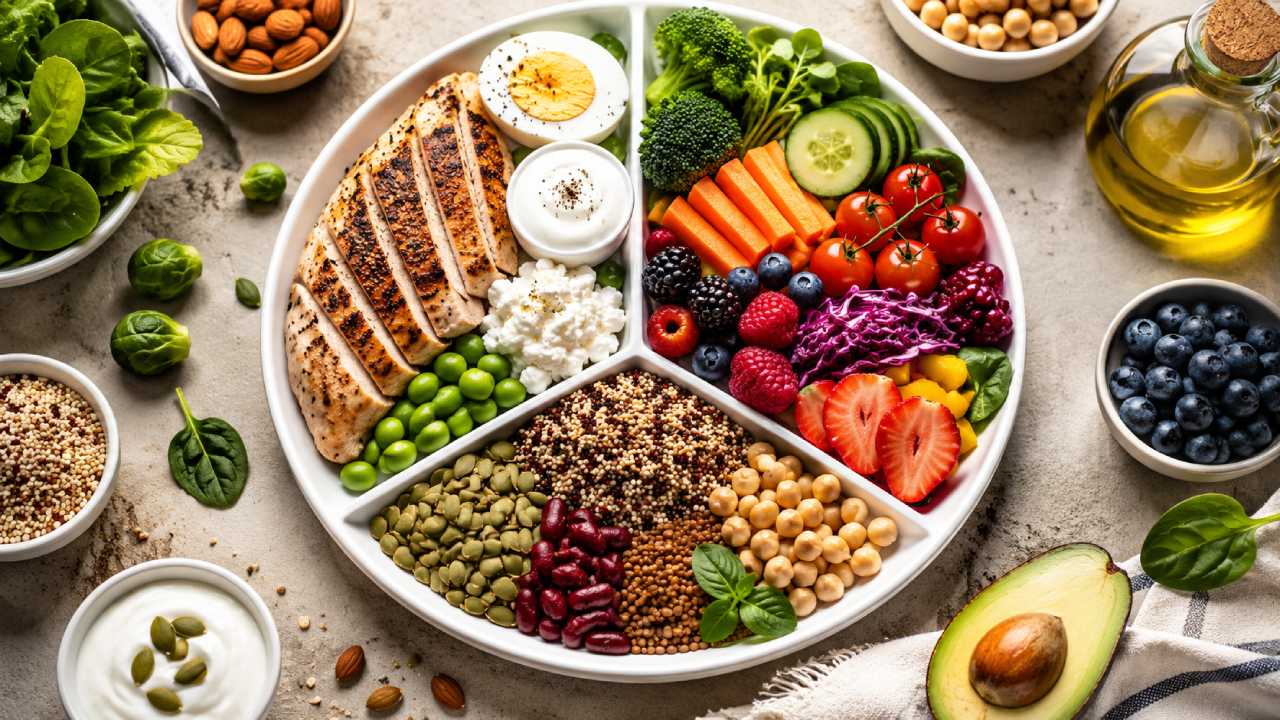
The Triple 30 Rule is based on three straightforward nutritional goals. First, individuals aim to consume 30 grams of protein during each main meal. Second, they target 30 grams of fiber daily. Third, they strive to eat 30 different plant-based foods every week. Although these numbers may appear ambitious at first, they are designed to promote balanced nutrition rather than strict dieting. Furthermore, the approach encourages variety and consistency, two factors that nutrition professionals often associate with long-term success. Because of its simplicity, many people find it easier to maintain than restrictive eating plans that require constant calorie tracking.
Why Nutrition Experts Are Paying Attention
Health professionals are increasingly highlighting the importance of nutrient density over calorie counting. Therefore, the Triple 30 Rule aligns closely with modern nutritional science. Protein helps maintain muscle mass, supports metabolism, and contributes to satiety. Meanwhile, fiber plays a crucial role in digestive health and blood sugar regulation. In addition, consuming a diverse range of plant foods can improve the diversity of gut bacteria. According to many nutrition specialists, a diverse microbiome is linked to stronger immunity and better overall health. Consequently, the Triple 30 Rule addresses several key health priorities at once.
The Growing Importance of Gut Health
Over the past few years, gut health has become one of the most discussed topics in nutrition. As research continues to evolve, scientists are discovering stronger connections between gut bacteria and overall well-being. For example, healthy gut microbes may influence digestion, immunity, energy levels, and even mood. Therefore, the Triple 30 Rule places significant emphasis on consuming a variety of plant-based foods. Different fruits, vegetables, legumes, nuts, seeds, and herbs provide unique nutrients that nourish beneficial bacteria. As a result, people following this approach may experience improvements in digestive comfort and long-term wellness.
Why Fiber Is Finally Getting the Spotlight
For years, protein dominated health conversations, while fiber often received less attention. However, many nutrition experts now argue that fiber deserves equal recognition. Unfortunately, a large percentage of adults fail to meet recommended daily fiber intake levels. The Triple 30 Rule helps address this issue by encouraging the consumption of fiber-rich foods such as oats, lentils, berries, chia seeds, and leafy greens. Moreover, fiber can help regulate appetite and support heart health. Because these benefits are widely recognized, fiber has become one of the most important nutritional topics of 2026.
The Role of Protein in the Triple 30 Rule
Protein remains an essential component of a healthy diet. However, the Triple 30 Rule encourages balanced protein distribution throughout the day rather than concentrating intake during dinner. This strategy may help maintain energy levels and improve feelings of fullness after meals. Furthermore, protein supports muscle recovery and preservation, especially for active individuals and older adults. Common sources include eggs, fish, poultry, dairy products, tofu, and legumes. By focusing on consistent intake, the Triple 30 Rule offers a sustainable method for meeting daily protein needs without excessive supplementation.
Read Also: Sardine Toast Gains Popularity as a Budget-Friendly Diet Meal
Why Variety Matters More Than Ever
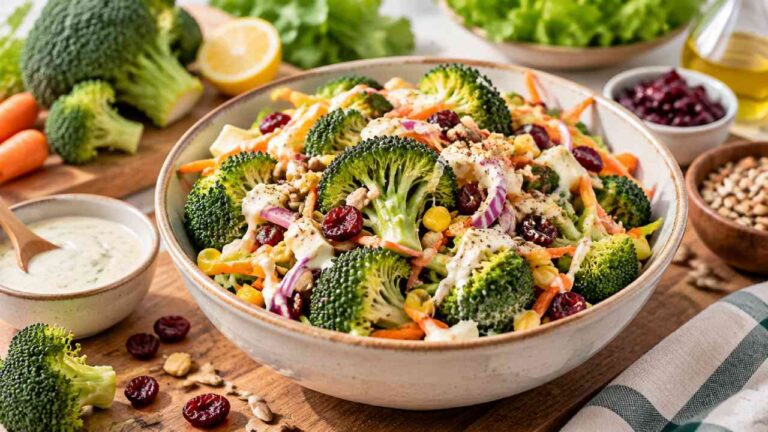
One of the most interesting aspects of the Triple 30 Rule is its emphasis on dietary diversity. Instead of repeatedly eating the same foods, followers are encouraged to consume 30 different plant foods each week. This goal may include vegetables, fruits, herbs, seeds, legumes, and whole grains. Consequently, meals become more colorful, flavorful, and nutritionally complete. In addition, variety reduces the likelihood of nutritional gaps while supporting a healthier gut microbiome. From a practical perspective, many people find that focusing on diversity makes healthy eating more enjoyable and less restrictive.
How the Triple 30 Rule Differs From Traditional Diets
Unlike many diet programs that emphasize strict rules and food restrictions, the Triple 30 Rule focuses on positive additions. Rather than asking people to eliminate carbohydrates or count every calorie, it encourages healthier food choices through simple nutritional targets. As a result, individuals often experience less stress around eating. Furthermore, the approach can be adapted to various dietary preferences, including vegetarian, vegan, Mediterranean, and omnivorous eating styles. This flexibility has contributed significantly to its growing popularity among people seeking realistic and sustainable health improvements.
The Social Media Effect Behind Its Popularity
Social media platforms have played a major role in spreading awareness of the Triple 30 Rule. Health influencers, dietitians, and wellness creators frequently share meal ideas that meet its guidelines. Consequently, the concept has gained traction among younger audiences looking for practical ways to improve their health. Additionally, short-form videos often demonstrate how easy it is to incorporate protein, fiber, and plant diversity into everyday meals. Because the approach feels achievable, many viewers are inspired to try it themselves. This viral momentum has helped transform the Triple 30 Rule into a mainstream wellness trend.
Why the Triple 30 Rule May Shape the Future of Healthy Eating
As consumers become more informed about nutrition, they are increasingly seeking sustainable strategies rather than quick fixes. The reflects this shift by focusing on nutrient quality, variety, and long-term habits. Moreover, it aligns with current research surrounding protein intake, fiber consumption, and gut health. While no single eating plan is perfect for everyone, the offers a practical framework that many people can adapt to their lifestyles. Therefore, it is likely to remain one of the most influential healthy eating trends throughout 2026 and beyond.