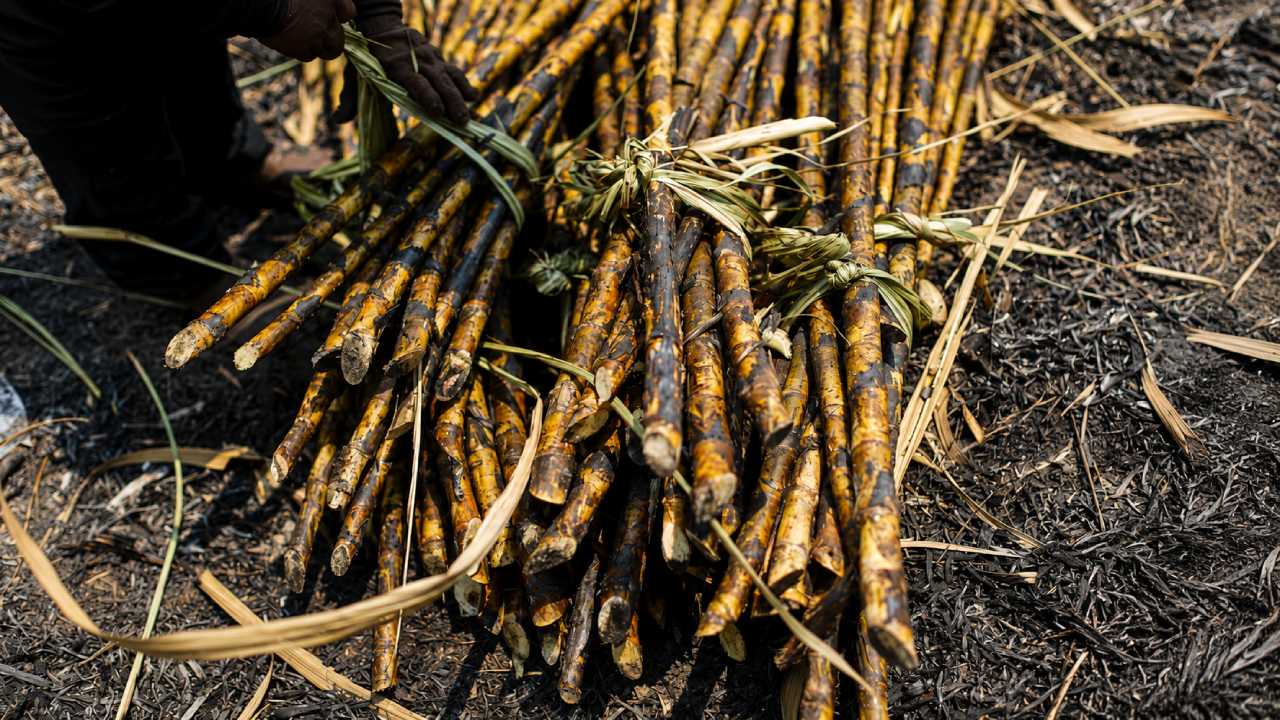
Extreme Weather and the Threat of El Niño Trigger Concerns About Global Food Prices
TastyPlatePedia – Extreme Weather and the Threat of El Niño have become major concerns for governments, farmers, and consumers around the world. In recent months, unusual weather patterns have affected agricultural regions across Asia, Australia, and parts of South America. Heatwaves, droughts, and delayed rainfall are creating challenges for farmers who rely on stable climate conditions to grow crops. As a result, experts are warning that food production could face significant disruptions if these conditions continue. While climate fluctuations are not new, the intensity of recent weather events has raised concerns among agricultural analysts. Moreover, food markets often react quickly to potential supply shortages. Therefore, even early signs of production risks can influence global commodity prices. This situation highlights the close relationship between climate stability and food security.
El Niño Returns as a Growing Global Concern
Meteorologists have been closely monitoring the development of El Niño, a climate phenomenon known for altering weather patterns across many regions of the world. Typically, El Niño causes drier conditions in Southeast Asia and Australia while bringing excessive rainfall to other locations. Consequently, countries that depend heavily on seasonal rainfall may experience lower agricultural output. Scientists believe the current El Niño event could become stronger than expected, increasing risks for major food-producing nations. Furthermore, historical data shows that strong El Niño events often coincide with rising food prices and lower crop yields. Because of this connection, governments and agricultural organizations are preparing mitigation strategies. The growing attention surrounding El Niño reflects its ability to affect millions of people through food availability and pricing.
Farmers Face Increasing Challenges in Key Agricultural Regions
Across Asia, many farmers are already experiencing the effects of prolonged dry conditions. In countries such as India, Thailand, Vietnam, and Indonesia, agricultural communities rely heavily on predictable rainfall patterns. However, recent weather anomalies have disrupted planting schedules and reduced water availability. Consequently, farmers must adapt quickly to protect their crops and livelihoods. Some have invested in irrigation systems, while others have shifted planting periods to reduce risks. Nevertheless, these solutions often require additional costs and resources. Smaller farmers, in particular, may struggle to absorb the financial impact of climate-related disruptions. As a result, agricultural productivity could decline in several regions if weather conditions fail to improve.
Read Also: The Complete Guide to Organic Food: From Vegetables to Herbal Teas for Optimal
Rice and Wheat Markets Are Feeling the Pressure
One of the biggest concerns related to Extreme Weather and the Threat of El Niño is the potential impact on staple foods such as rice and wheat. These commodities are essential for billions of people worldwide. When production decreases, market prices often respond rapidly. Analysts have noted increasing volatility in agricultural commodity markets as traders anticipate potential shortages. In addition, lower harvest expectations can encourage stockpiling by governments and private buyers. This behavior may further tighten supply in international markets. Although current inventories remain relatively stable, continued weather disruptions could change the outlook quickly. Therefore, market participants are closely monitoring crop conditions across major exporting countries.
Rising Food Prices Could Affect Millions of Households
Food inflation remains one of the most sensitive economic issues for families worldwide. Even small increases in food prices can significantly affect household budgets, especially in developing countries. As Extreme Weather and the Threat of El Niño continue to influence agricultural production, consumers may face higher costs for essential goods. Rice, wheat, vegetables, and cooking oils are among the products that could experience price increases if supply becomes constrained. Furthermore, transportation and energy costs often rise during periods of climate disruption, adding additional pressure to food prices. Consequently, governments may need to implement support measures to protect vulnerable communities. Maintaining affordable food supplies will become increasingly important in the months ahead.
Climate Change Is Amplifying Weather Extremes
While El Niño is a natural climate phenomenon, many experts believe climate change is intensifying its effects. Rising global temperatures contribute to more frequent and severe weather events. As a result, droughts, floods, and heatwaves are becoming increasingly common across multiple continents. Scientists have repeatedly warned that climate-related risks will continue to grow unless long-term mitigation efforts are strengthened. Moreover, agricultural systems that were once reliable are facing greater uncertainty. This combination of natural climate cycles and human-driven climate change creates a challenging environment for food production. Consequently, policymakers are under increasing pressure to invest in climate resilience and sustainable agriculture.
Governments and Agricultural Industries Seek Solutions
In response to growing concerns, governments and agricultural organizations are implementing strategies to reduce potential risks. Investments in irrigation infrastructure, drought-resistant crops, and modern farming technologies have increased in many countries. Additionally, researchers are working to develop agricultural methods that can withstand extreme weather conditions. These efforts aim to improve food security while reducing vulnerability to climate disruptions. However, long-term success requires cooperation between governments, farmers, scientists, and private industries. Without coordinated action, the challenges associated with Extreme Weather and the Threat of El Niño may become more difficult to manage. Therefore, proactive planning remains essential for protecting future food supplies.
The Future of Global Food Security Depends on Preparedness
Ultimately, Extreme Weather and the Threat of El Niño serve as a reminder that food security cannot be taken for granted. The global food system depends on stable environmental conditions, efficient supply chains, and resilient agricultural practices. When one of these elements is disrupted, the effects can spread quickly across international markets. Although current concerns have not yet developed into a full-scale crisis, experts emphasize the importance of preparation. Governments, businesses, and consumers all have a role to play in building resilience against future challenges. By investing in sustainable agriculture and climate adaptation, countries can reduce risks and strengthen long-term food security. In the end, preparedness may be the most effective tool for navigating an increasingly uncertain climate future.