Cream Puff Delights Dessert Lovers with Crispy Shells and Smooth Filling
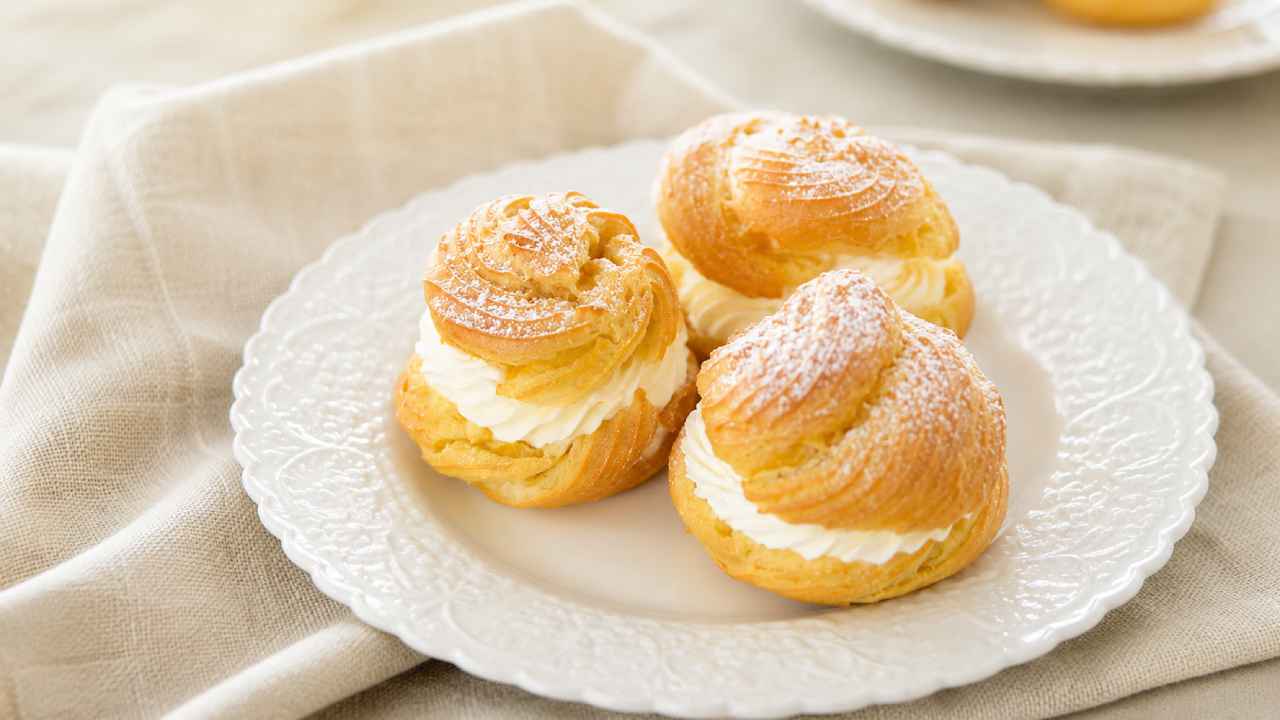
TastyPlatePedia – Cream Puff Delights have remained popular because they offer contrast in every bite. The outer shell feels light and slightly crisp. Meanwhile, the filling tastes smooth, creamy, and rich. This balance makes the dessert enjoyable without feeling too heavy. Cream puffs also look elegant, although their basic ingredients are simple. Flour, butter, eggs, water, and cream form the foundation of this classic pastry. However, the final result depends heavily on technique. A small mistake can affect the shape, texture, or hollow center. Therefore, many bakers see cream puffs as a useful test of pastry skills. At the same time, beginners can still make them with patience and careful preparation. In my view, their lasting appeal comes from this combination of simplicity and refinement. They feel familiar, yet they still create a sense of occasion.
Read Also: Simple Organic Snacks You Can Enjoy Anytime Without Feeling Guilty
The History of Cream Puffs Reflects European Pastry Tradition
Cream puffs are closely linked to French pastry culture. Their shell comes from choux pastry, which is known in France as pâte à choux. Historical accounts often connect early forms of this dough to European royal kitchens. Over time, French pastry chefs refined the method and turned it into a versatile base. As a result, choux pastry became essential for éclairs, profiteroles, croquembouche, and cream puffs. Unlike many cakes, choux pastry does not rely on baking powder or yeast. Instead, steam helps the dough rise during baking. This process creates the hollow center needed for the filling. Although the technique developed in Europe, cream puffs later spread across Asia, North America, and other regions. Today, each culture adds its own flavors and presentation. Even so, the basic structure remains recognizable. A crisp shell and soft filling still define the dessert.
Steam Creates the Signature Hollow Shell
The structure of a cream puff depends on moisture and heat. First, bakers cook water, butter, flour, and salt together. This step forms a thick dough called a panade. Next, eggs are added gradually until the mixture becomes smooth and glossy. During baking, the liquid inside the dough turns into steam. Consequently, the pastry expands and forms an empty center. The eggs then help the outer shell hold its shape. Proper oven temperature is especially important. If the heat is too low, the puffs may remain flat. On the other hand, excessive heat can brown the outside too quickly. Bakers should also avoid opening the oven during the early stage. A sudden temperature change may cause the shells to collapse. Therefore, successful choux pastry requires control rather than complicated ingredients.
Smooth Filling Gives Every Cream Puff Its Character
The filling can completely change the personality of a cream puff. Traditional versions often use vanilla pastry cream. This custard combines milk, egg yolks, sugar, starch, and vanilla. It feels rich but still smooth. However, whipped cream creates a lighter result. Some bakers combine both styles to make diplomat cream. This filling offers the structure of custard and the softness of whipped cream. In addition, modern versions may feature chocolate, coffee, matcha, pistachio, caramel, or fruit. Each flavor brings a different mood. Chocolate feels deep and comforting, while lemon or berry fillings taste brighter. For the best texture, the filling should remain thick enough to stay inside the shell. At the same time, it should not feel heavy. In my experience, a slightly restrained sweetness works best because it allows the buttery pastry to remain noticeable.
Craquelin Adds Extra Crispness and Visual Appeal
Many modern cream puffs include a thin topping called craquelin. Bakers make it from butter, sugar, and flour. They roll the mixture into a sheet and place small discs on top of the choux dough. As the pastry bakes, the craquelin spreads across the surface. This creates a crisp, crackled layer. Furthermore, it helps the cream puff rise into a more even shape. The topping also adds color and texture without making the dessert complicated. Vanilla craquelin remains common, but cocoa, matcha, or nut flavors can add variety. From a visual perspective, craquelin gives cream puffs a polished bakery-style finish. It also provides a pleasant contrast against soft cream. Therefore, this simple addition can make a homemade batch look more professional.
Global Variations Keep the Classic Dessert Relevant
Cream puffs now appear in many forms around the world. In Japan, they are often called shu cream. Japanese versions usually have thin shells and generous custard fillings. Some shops offer seasonal flavors such as sakura, melon, chestnut, or matcha. In Italy, profiteroles may be filled with cream and covered in chocolate sauce. Meanwhile, French pastry shops often focus on refined presentation and balanced flavor. In other countries, bakers add tropical fruit, cheese cream, or local spices. This flexibility keeps the dessert relevant. It can adapt to changing tastes without losing its identity. Moreover, cream puffs work well in both casual bakeries and luxury dining settings. Few desserts move between those spaces so naturally. That versatility explains why Cream Puff Delights continue to attract new audiences.
Read Also: Organic Lemon Cake BioBäckerei Offers a Refreshing Flavor That Has Gone Viral
Freshness Determines the Best Cream Puff Experience
Cream puffs taste best when the shell remains crisp and the filling stays cold. However, moisture from the cream slowly softens the pastry. For that reason, bakers often fill the shells shortly before serving. Unfilled shells can be stored in an airtight container after they cool. They can also be refreshed briefly in the oven. The filling should remain refrigerated for food safety and texture. Once assembled, the puffs should be eaten within a reasonable period. A soggy shell is not unsafe by itself, but it loses the contrast that makes the dessert special. Therefore, timing matters. In my opinion, the ideal cream puff should be filled close enough to serving time that the shell still gives a delicate crack when bitten.
Cream Puffs Suit Both Home Baking and Professional Menus
Cream puffs work well for many occasions. They can appear at afternoon tea, birthday parties, weddings, or formal dinners. Small puffs are easy to serve and portion. Larger versions can feel more luxurious, especially with decorative toppings. For home bakers, the recipe also offers room to learn. It teaches heat control, dough consistency, piping, baking, and filling. Meanwhile, professional pastry chefs can use the same base to create more complex desserts. Croquembouche, for example, stacks filled choux buns into a dramatic tower. This shows how one basic technique can support both simple and elaborate presentations. As a result, cream puffs remain useful in kitchens of every level.
Cream Puff Delights Endure Because Texture Creates Emotion
Dessert is not only about sweetness. It is also about texture, memory, and anticipation. Cream puffs deliver all three. The shell breaks gently, then reveals a soft and cool center. That small contrast creates a satisfying moment. In addition, the dessert often reminds people of bakeries, family celebrations, or special outings. These emotional connections add value beyond the recipe itself. Trends may introduce new flavors or decorations, yet the essential experience stays the same. Cream Puff Delights succeed because they feel light, elegant, and comforting at once. Their ingredients are modest, but the result feels memorable. For that reason, they continue to earn a place among the world’s most beloved pastries.