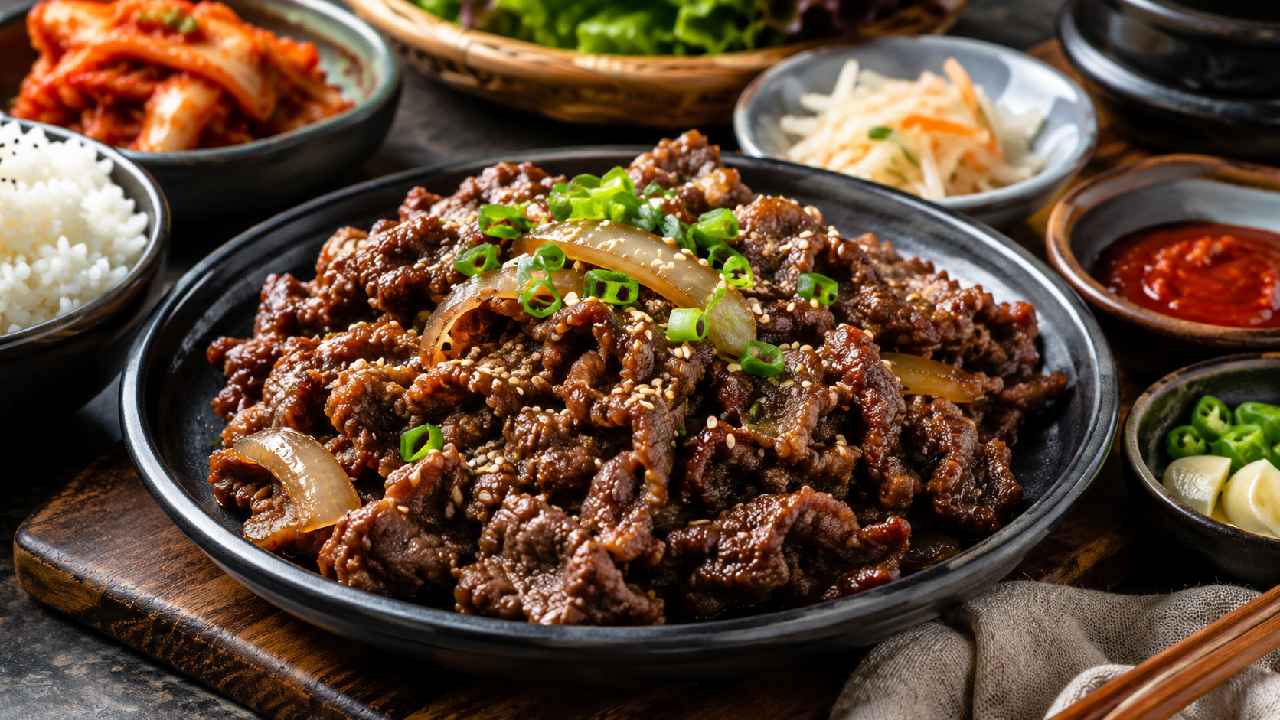
Easy Beef Bulgogi Recipes That Deliver Authentic Korean Flavors Every Time
TastyPlatePedia – Beef Bulgogi is one of the most approachable Korean dishes for home cooks. It combines thin slices of beef with a savory, sweet, and aromatic marinade. As the meat cooks, the sauce caramelizes around the edges and creates a rich barbecue flavor. However, the dish does not require complicated tools or rare ingredients. A regular frying pan can produce excellent results. The first time I cooked it at home, the aroma of sesame oil and garlic filled the kitchen within minutes. That experience showed me why this dish remains popular around the world. Moreover, the recipe is flexible enough for family dinners, rice bowls, lettuce wraps, or meal preparation. The main secret is balance. The marinade should taste salty, lightly sweet, nutty, and fresh without overpowering the natural flavor of the beef.
Read Also: Top 10 Organic Superfoods That Support a Lifestyle Naturally
Why This Easy Recipe Tastes Authentic
Authentic flavor does not always depend on a long ingredient list. Instead, it comes from using the right elements in proper proportions. Soy sauce provides saltiness and depth. Brown sugar adds gentle sweetness and supports caramelization. Sesame oil delivers a warm, nutty aroma. Meanwhile, garlic, ginger, and green onions make the marinade more fragrant. Grated pear is traditionally used because it adds sweetness and helps tenderize the meat. Nevertheless, apple or kiwi can work when Korean pear is unavailable. The cooking method also matters. Beef Bulgogi should cook quickly over high heat. Therefore, the meat stays tender while the sauce develops slightly charred edges. In my view, this balance between juicy meat and caramelized seasoning separates memorable bulgogi from an ordinary beef stir-fry.
Ingredients for Easy Beef Bulgogi
• 500 grams ribeye, sirloin, or tender beef, thinly sliced
• 1 small onion, thinly sliced
• 2 green onions, sliced
• 1 small carrot, cut into thin strips
• 1 tablespoon cooking oil
• 1 teaspoon toasted sesame seeds
• Cooked white rice, for serving
• Lettuce leaves, optional
• Kimchi, optional
Ingredients for the Bulgogi Marinade
• 4 tablespoons regular soy sauce
• 2 tablespoons grated Korean pear or apple
• 1½ tablespoons brown sugar or honey
• 1 tablespoon sesame oil
• 3 garlic cloves, finely minced
• 1 teaspoon freshly grated ginger
• ½ teaspoon ground black pepper
• 1 tablespoon rice vinegar or mirin
• 1 tablespoon finely chopped green onion
• 1 teaspoon toasted sesame seeds
How to Prepare the Beef Correctly
- Place the beef in the freezer for 20 to 30 minutes.
- Remove it when the surface feels firm but not completely frozen.
- Slice the beef thinly against the grain.
- Aim for slices about 2 to 3 millimeters thick.
- Pat the meat dry with paper towels.
- Separate any slices that stick together.
Thin slicing is essential because it allows the marinade to coat more surface area. In addition, cutting against the grain shortens the muscle fibers and creates a softer bite. Partially freezing the meat makes this process much easier. However, avoid freezing it until solid because the knife may slip. A sharp chef’s knife will produce cleaner and more even pieces. You can also ask a butcher to prepare thinly sliced beef for Korean barbecue.
Step-by-Step Beef Bulgogi Instructions
- Add soy sauce, grated pear, brown sugar, sesame oil, garlic, ginger, black pepper, rice vinegar, green onion, and sesame seeds to a bowl.
- Stir until the sugar dissolves and the marinade looks evenly mixed.
- Add the sliced beef, onion, and carrot.
- Mix gently until every slice is coated.
- Cover the bowl and refrigerate for at least 30 minutes.
- Heat a large frying pan or cast-iron skillet over medium-high heat.
- Add a small amount of cooking oil.
- Cook the marinated beef in two or three batches.
- Spread the meat into a single layer.
- Cook each batch for 2 to 4 minutes.
- Stir occasionally until the beef browns and the edges caramelize.
- Transfer the cooked meat to a plate.
- Garnish with green onion and toasted sesame seeds.
- Serve immediately with warm rice, lettuce, and kimchi.
How Long to Marinate Beef Bulgogi
A 30-minute marinade works well when the beef is sliced very thinly. However, one to two hours creates a deeper and more balanced taste. You may also prepare the mixture in the morning and cook it at dinner. Still, avoid marinating the beef for more than 12 hours, especially when using kiwi or pineapple. Those fruits contain strong enzymes that may turn the surface of the meat soft or mushy. Korean pear and apple are gentler, so they are better choices for longer marination. Furthermore, always keep the meat refrigerated while it absorbs the seasoning. Never leave raw beef at room temperature for an extended period.
The Best Way to Cook Bulgogi Without a Grill
A wide skillet is often the easiest option for home kitchens. First, preheat the pan before adding the meat. A hot surface helps the sauce caramelize instead of turning watery. Next, cook the beef in small batches. Overcrowding reduces the temperature and causes the meat to steam. As a result, the dish may become pale and overly wet. A cast-iron skillet creates deeper browning, while a nonstick pan offers easier cleanup. Both methods work well. However, avoid pouring all the remaining marinade into the pan at once. Too much liquid can prevent proper searing. Add only a spoonful when the pan looks dry.
Practical Tips for Tender and Flavorful Bulgogi
- Choose ribeye for richer flavor and natural tenderness.
- Use sirloin for a leaner and more affordable option.
- Slice the beef against the grain.
- Keep every slice thin and similar in size.
- Grate the pear or apple finely so it blends into the sauce.
- Taste the marinade before adding the raw meat.
- Reduce the sugar when using a very sweet pear.
- Preheat the pan until it feels properly hot.
- Cook the meat in batches to prevent steaming.
- Do not cook the beef for too long.
- Add mushrooms for extra savory flavor.
- Sprinkle fresh green onions on top before serving.
Common Mistakes That Can Ruin the Texture
One common mistake is using thick chunks of beef. Thick pieces need more cooking time and may become chewy before the sauce caramelizes. Another problem is adding too much fruit. Although pear improves tenderness, an excessive amount can make the marinade overly sweet. Furthermore, many cooks place cold meat into a barely warm pan. This step releases moisture and creates a boiled texture. Therefore, heat the skillet properly and work in batches. It is also important not to move the meat constantly. Let the beef touch the hot surface for several seconds before stirring. Finally, avoid using only dark soy sauce. Its strong color and intense flavor can dominate the dish. Regular Korean soy sauce or all-purpose soy sauce gives a more balanced result.
Baca Juga: How to Make Organic Cinnamon Rolls with a Warm and Fragrant Cinnamon Aroma
Delicious Ways to Serve Beef Bulgogi
Beef Bulgogi tastes excellent over steamed short-grain rice. The rice absorbs the sauce and balances its bold seasoning. For a lighter meal, serve the beef inside crisp lettuce leaves with garlic, cucumber, and a small amount of ssamjang. You can also turn leftovers into a rice bowl with a fried egg, kimchi, carrots, and sesame seeds. Alternatively, use the meat as a filling for tacos, sandwiches, or Korean-style wraps. These modern variations are not traditional, yet they show how adaptable the recipe can be. For a complete Korean-inspired table, add spinach namul, pickled radish, cucumber salad, or a simple seaweed soup.
Easy Variations for Different Preferences
For a spicy version, add one tablespoon of gochujang and one teaspoon of gochugaru to the marinade. For a lower-sugar option, reduce the brown sugar and increase the grated pear slightly. Meanwhile, mushrooms can replace part of the beef without sacrificing texture. Shiitake, oyster mushrooms, and button mushrooms all absorb the marinade well. Chicken thighs can also use the same seasoning, although they require a longer cooking time. Plant-based cooks may prepare the recipe with firm tofu or king oyster mushrooms. However, the marinade should be slightly reduced because those ingredients absorb sauce differently. These adjustments make Beef Bulgogi suitable for many eating styles while preserving its recognizable Korean flavor.
How to Store and Reheat Leftovers Safely
Allow the cooked bulgogi to cool briefly before placing it in an airtight container. Store it in the refrigerator for up to three days. For longer storage, freeze the cooked meat for up to two months. You can also freeze the raw marinated beef in a sealed freezer bag. Flatten the bag so it freezes and thaws evenly. When ready to cook, thaw it overnight in the refrigerator. To reheat cooked bulgogi, use a hot skillet with one tablespoon of water. Stir for two or three minutes until the meat is heated throughout. A microwave also works, although the beef may lose some caramelized texture. Therefore, skillet reheating usually delivers the best result.
Why This Recipe Works for Busy Home Cooks
This recipe uses familiar ingredients, simple preparation, and a short cooking time. Most of the work happens during marination, so the final meal comes together quickly. In addition, the recipe can be doubled for family gatherings or meal preparation. The combination of soy sauce, fruit, garlic, sesame oil, and high-heat cooking produces a dependable result. More importantly, the method respects the character of traditional Korean Beef Bulgogi without making the process difficult. With careful slicing, balanced seasoning, and proper pan temperature, home cooks can achieve tender meat and authentic flavor every time.