Healthy Food or Just Marketing? The New Debate Over Healthy Cereal
TastyPlatePedia – In mid-June 2026, a new debate emerged in the world of nutrition and healthy eating. Several cereal products that had long been considered part of a Healthy Food lifestyle suddenly faced the possibility of being classified as less healthy under the latest nutrition rating system in the United Kingdom. As a result, the news quickly attracted public attention because many people view high-fiber cereals as a smart breakfast choice. However, the regulatory changes have encouraged consumers to ask a critical question: do healthy labels on food packaging truly reflect nutritional quality? Consequently, discussions about healthy eating are no longer focused solely on fiber and vitamins. Instead, greater attention is being paid to sugar content and food processing methods. This shift highlights how the definition of Healthy Food continues to evolve alongside advances in nutritional science.
Read Also: Grass Jelly with Fresh Fruit: A Naturally Sweet Dessert with Fewer Calories
Why Cereal Has Always Been Considered a Healthy Choice
For decades, cereal has represented a convenient and nutritious breakfast option. Many products are fortified with vitamins, minerals, and dietary fiber that support digestive health. In addition, advertising campaigns have strengthened the perception that cereal is an essential part of a balanced lifestyle. As a result, countless families have included it in their daily routines. Nevertheless, consumers are becoming more informed than ever before. Rather than relying only on marketing claims, they are carefully reviewing nutrition labels and ingredient lists. They are no longer impressed simply by phrases such as “high in fiber.” Instead, they are also evaluating sugar levels and other added ingredients. This growing awareness is pushing food manufacturers to provide clearer and more transparent information.
New Regulations Are Changing the Way Healthy Food Is Evaluated
The updated nutrition rating system places a stronger emphasis on free sugar content. Because of this, some cereals that were previously regarded as healthy may receive lower ratings. Although these products still contain valuable fiber, the presence of added sugars now carries greater weight in nutritional assessments. On the other hand, many health experts support this approach. They argue that excessive sugar consumption contributes to obesity, diabetes, and other metabolic conditions. Therefore, the revised guidelines aim to help consumers make more informed decisions when choosing food products. Ultimately, the goal is not to discourage cereal consumption but to encourage a more comprehensive understanding of nutrition.
The Fine Line Between Nutrition Facts and Marketing Strategies
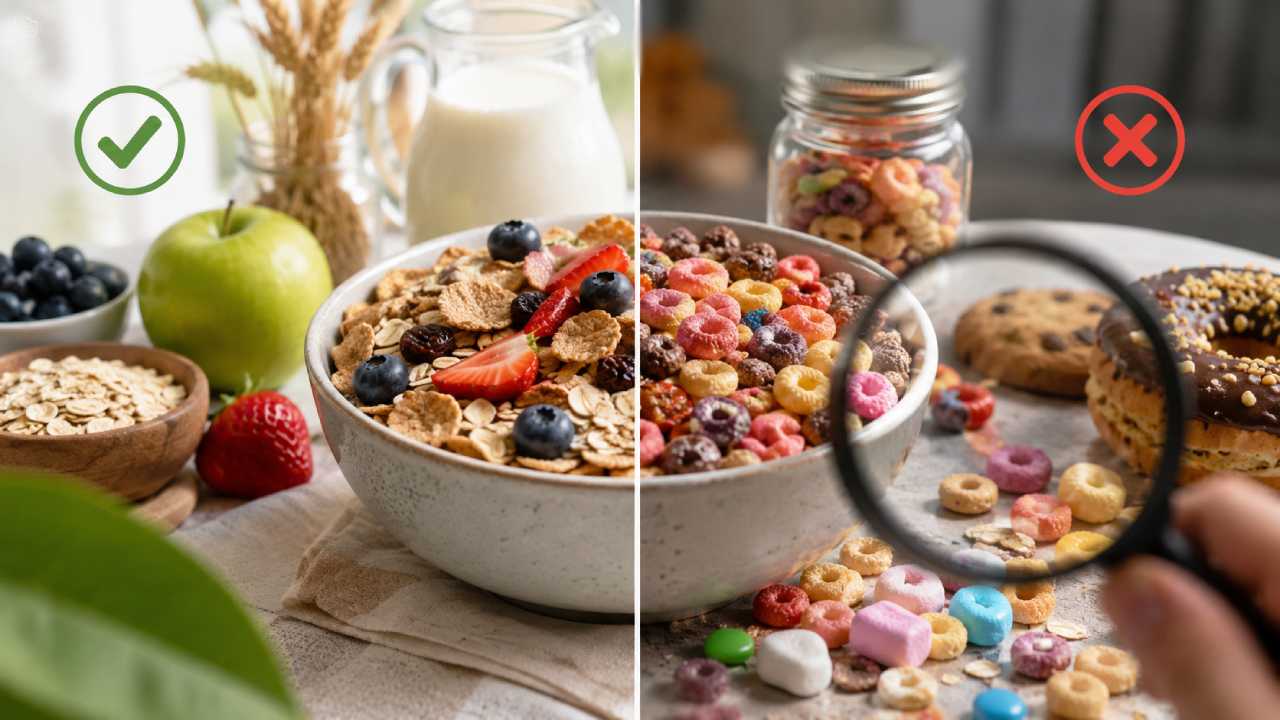
It is impossible to ignore the influence of marketing in shaping public perception. Food brands frequently use terms such as “natural,” “healthy,” and “whole grain” to attract consumers. While these claims are not necessarily misleading, they often create the impression that a product is entirely beneficial. In reality, nutrition is rarely that simple. A cereal can be rich in fiber while also containing a significant amount of sugar. Consequently, consumers should look beyond front-of-package messaging and examine the complete nutritional profile. By doing so, they can gain a clearer picture of what they are actually eating rather than relying solely on promotional language.
Consumers Are Becoming More Critical Than Ever
Interestingly, modern consumers are actively seeking nutrition information from multiple sources. Social media platforms, health websites, and food-tracking applications have made nutritional knowledge more accessible. At the same time, the popularity of Healthy Food trends has encouraged people to think more carefully about the quality of their meals. Years ago, many purchasing decisions were driven primarily by advertising. Today, however, consumers increasingly rely on nutritional data before making a choice. This transformation demonstrates that people are becoming less likely to accept marketing claims without further investigation. As a result, transparency has become a valuable competitive advantage for food companies.
Read Also: The French Yogurt Cake Recipe That Never Fails Beginners
What Actually Makes a Food Healthy?
One of the most important questions raised by this debate concerns the definition of healthy food itself. Some individuals believe that low sugar content is the key indicator of health. Others prioritize fiber, protein, vitamins, or mineral content. In reality, Healthy Food is determined by a combination of factors rather than a single nutrient. No food should be judged solely on one characteristic. Therefore, nutrition experts often recommend a balanced perspective. They encourage consumers to consider overall nutritional quality and long-term eating habits instead of focusing on isolated ingredients. This broader approach provides a more accurate understanding of health and wellness.
The Valuable Lessons Behind the Healthy Food Debate
The cereal controversy offers several important lessons for consumers. First, healthy labels can serve as a useful starting point, but they should never be the only factor influencing purchasing decisions. Instead, reading detailed nutrition information is a much more reliable practice. Furthermore, individual dietary needs vary from person to person. A product that works well for one individual may not be the best choice for another. For this reason, nutrition education plays a critical role in helping people make informed decisions. The more consumers understand about food, the better equipped they are to build healthier eating habits that align with their personal goals.
The Future of Healthy Food in a More Transparent Market
Looking ahead, the Healthy Food industry is likely to move toward greater transparency and accountability. Consumers increasingly want detailed information about ingredients, sourcing, processing methods, and nutritional value. As a result, food manufacturers will face growing pressure to communicate honestly and clearly. At the same time, regulatory changes will continue to influence how products are marketed and evaluated. Ultimately, the debate surrounding healthy cereal is about much more than breakfast. It serves as a reminder that true health cannot be determined by a label alone. In the end, informed consumers will always look beyond the packaging and focus on the facts before making decisions about what belongs on their table.