Why Japanese Soufflé Pancakes Continue to Win Dessert Lovers
TastyPlatePedia – Japanese Soufflé Pancakes continue to attract dessert lovers because they offer more than a sweet flavor. Their tall shape, soft center, and gentle wobble create a memorable experience before the first bite. Unlike regular pancakes, this Japanese dessert feels light and airy. It also looks elegant when served with fruit, whipped cream, or maple syrup. Therefore, it fits both modern café culture and social media trends. Many people first discover the dish through short videos, yet its appeal does not depend on appearance alone. The texture, aroma, and careful cooking process make it worth trying. In my view, this balance between visual charm and simple ingredients explains why the dessert remains popular. It feels special, but it still connects with the familiar comfort of a classic pancake.
Read Also: Caprese Salad Meals That Bring Fresh Italian Flavors to Your Table
A Dessert That Looks as Good as It Tastes
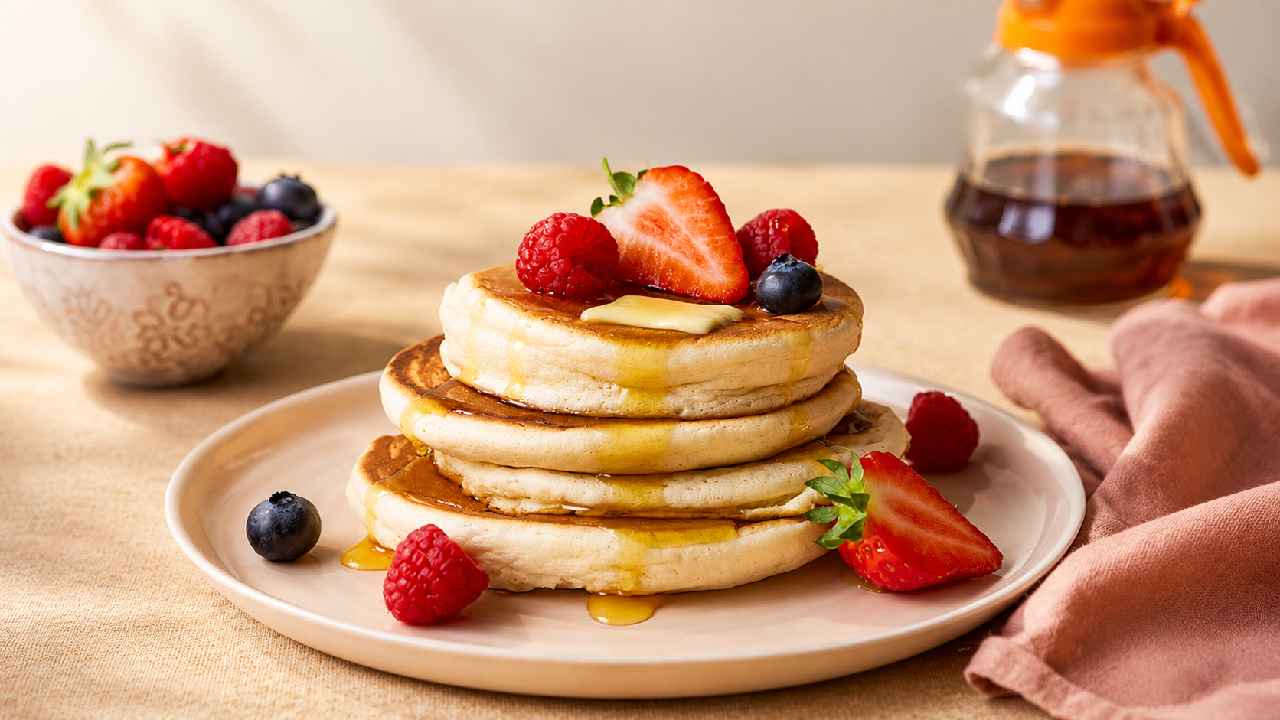
The first attraction is often visual. Japanese Soufflé Pancakes rise higher than standard pancakes and usually arrive in neat, rounded stacks. Their surface looks soft, while the center moves slightly when the plate is touched. As a result, the dessert creates an instant sense of curiosity. This is especially important in modern food culture, where presentation shapes the dining experience. However, the dish is not only designed for photographs. A well-made pancake also has a delicate egg aroma, a light sweetness, and a moist interior. These qualities make the visual promise feel honest. When appearance and flavor work together, diners are more likely to remember the dish and recommend it to others.
The Meringue Creates the Signature Texture
The secret behind the soft texture is meringue. Bakers separate egg whites from the yolks, then whip the whites with sugar until they hold air. This process forms a light foam that gives the batter its volume. Next, the meringue is folded carefully into the remaining mixture. If it is stirred too strongly, the trapped air disappears. Therefore, gentle handling is essential. During cooking, the air expands and helps the pancakes rise. The result is a center that feels soft rather than dense. In comparison, regular pancakes depend more on baking powder and a thicker batter. Japanese Soufflé Pancakes use both technique and ingredients to create their cloud-like character.
Slow Cooking Makes a Noticeable Difference
These pancakes cannot be rushed. They usually cook over low heat for several minutes on each side. Many cooks also cover the pan so steam can help the center set. Sometimes, a small amount of water is added near the edge of the pan to create extra moisture. This method prevents the outside from burning before the middle is ready. Although the process takes longer than cooking ordinary pancakes, the result is more delicate. High heat may produce a dark surface and a raw center. Meanwhile, low heat allows the structure to develop gradually. In my experience, patience is one of the most important ingredients in this recipe.
Simple Ingredients Create a Premium Result
One reason for the dessert’s lasting appeal is its modest ingredient list. Most recipes use eggs, flour, milk, sugar, baking powder, vanilla, and a little salt. These are common ingredients in many home kitchens. However, the final result feels more refined than the list suggests. Technique changes the character of the batter and creates a restaurant-style presentation. This contrast makes the dish attractive to both professional bakers and home cooks. Moreover, the recipe can be adapted without becoming too complicated. Matcha, cocoa, citrus zest, or cheese can add new flavors. Therefore, the dessert offers room for creativity while keeping its basic identity.
Café Culture Helped Build Global Popularity
Japanese cafés played an important role in turning the dish into a global trend. Many venues serve the pancakes as a signature item rather than a simple breakfast. Customers may need to wait because the pancakes are prepared slowly and often made to order. That waiting time can increase the sense of anticipation. Later, cafés in other countries began adding similar dishes to their menus. As the trend spread, local versions appeared with tropical fruit, chocolate sauce, pistachio cream, and seasonal toppings. This global adaptation helped the dessert remain fresh. Instead of staying tied to one presentation, it became a flexible café experience.
Social Media Turned the Wobble Into a Trend
The famous wobble made Japanese Soufflé Pancakes ideal for short-form video. A gentle shake of the plate creates movement that looks satisfying on screen. Therefore, users often record the moment before cutting into the stack. This simple action helped the dessert gain attention on TikTok, Instagram, and YouTube. However, viral visibility can only create initial interest. A trend lasts longer when the product also delivers a pleasant taste. In this case, the soft texture supports the visual excitement. The pancake does not merely look different. It also feels different when eaten. That combination gives it stronger staying power than many temporary food trends.
Toppings Add Flavor Without Hiding the Pancake
The best toppings support the pancake instead of overwhelming it. Fresh strawberries, blueberries, bananas, and mangoes add acidity and color. Meanwhile, whipped cream brings richness without too much weight. Maple syrup and honey offer familiar sweetness, while matcha cream creates a more distinct Japanese character. Some cafés add ice cream, caramel, or chocolate sauce for a richer dessert. Even so, balance remains important. Heavy toppings can hide the light texture that makes the dish special. For that reason, many of the most appealing presentations use only a few carefully chosen elements. A simple plate often looks more elegant and tastes more balanced.
The Texture Feels Indulgent but Not Too Heavy
Many desserts are delicious but leave diners feeling overly full. Japanese Soufflé Pancakes offer a different experience. Their airy center creates a sense of richness without the same density as a thick cake or heavy pastry. Of course, the toppings can increase calories and sweetness. Still, the pancake itself feels soft and light. This makes it suitable for brunch, afternoon tea, or a shared dessert. In addition, the texture encourages slow eating because the pancake is delicate. That pace can make the experience feel more intentional. For many dessert lovers, this lighter form of indulgence is one of the main reasons to order it again.
Home Bakers Enjoy the Technical Challenge
The recipe also appeals to home bakers who enjoy learning new skills. Making the batter is not difficult, but controlling the meringue and heat requires practice. A beginner may produce pancakes that rise well and then collapse. Another batch may brown too quickly or remain wet inside. Although these mistakes can be frustrating, they also create a rewarding learning process. Each attempt teaches better folding, stronger temperature control, and improved timing. Therefore, the recipe feels more engaging than a basic pancake method. When the final stack rises correctly, the result brings a real sense of achievement.
Why Some Soufflé Pancakes Collapse
A slight drop after cooking is normal because hot air inside the pancake cools and contracts. However, a major collapse often points to a technical problem. The meringue may have been too soft, overmixed, or left standing for too long. The center may also have been undercooked. In addition, opening the lid too often can release heat and disturb the structure. To reduce these problems, cooks should prepare the pan before mixing the batter. They should also work quickly after folding in the meringue. Even with perfect technique, the pancakes are best served immediately. Their delicate structure is part of their charm, but it also means they do not wait well.
A Flexible Dessert for Different Tastes
Another strength is the ability to adapt the dish to changing preferences. Matcha versions appeal to tea lovers, while chocolate versions feel more indulgent. Lemon or yuzu can add a fresh aroma. Meanwhile, savory versions may include cheese, herbs, or smoked salmon. This flexibility allows cafés to refresh their menus without abandoning the original concept. Seasonal fruit also creates natural variation throughout the year. In spring, strawberries may dominate. During summer, mango or peach can offer a brighter profile. Therefore, the dessert can evolve while remaining recognizable.
Read Also: German Organic Bauernbrot Celebrates Traditional Artisan Bread Making
Quality Depends More on Technique Than Decoration
A beautifully decorated plate does not always guarantee a good pancake. The most important qualities remain inside the stack. The center should be cooked, moist, and airy. The outside should hold its shape without becoming dry. Moreover, the egg flavor should feel pleasant rather than overpowering. These details depend on accurate measurements, fresh ingredients, and careful cooking. Decorations can improve the presentation, but they cannot repair a dense or raw interior. For that reason, reliable cafés focus on texture before adding elaborate toppings. In my opinion, this commitment to technique separates a memorable soufflé pancake from one that is merely photogenic.
The Dessert Offers Comfort and Novelty Together
Japanese Soufflé Pancakes combine two emotional qualities that rarely appear together. Pancakes already feel familiar because many people connect them with breakfast, weekends, and home cooking. Yet the tall shape and airy texture make the Japanese version feel new. This blend of comfort and novelty creates broad appeal. Diners do not need to learn an unfamiliar flavor. Instead, they experience a known dish in a more refined form. Consequently, the dessert attracts both adventurous food lovers and people who prefer familiar tastes. That wide audience helps explain its long-term success.
Why Japanese Soufflé Pancakes Remain Popular
Food trends often disappear after the first wave of attention. Japanese Soufflé Pancakes have lasted because they deliver several forms of value at once. They look impressive, taste gentle, and offer a texture that standard pancakes cannot easily match. In addition, they work well in cafés, videos, home kitchens, and seasonal menus. Their ingredients are simple, yet the cooking process creates a sense of craftsmanship. Most importantly, the dessert gives people a small moment of delight. The stack arrives looking soft and almost weightless, then rewards the diner with a warm, tender bite. That experience continues to win dessert lovers because it feels both playful and carefully made.