Healthy Food That’s Delicious and Nutritious
TastyPlatePedia – Healthy Food is no longer viewed as a temporary trend that only appeals to fitness enthusiasts. Instead, it has evolved into a sustainable lifestyle embraced by people of all ages. As awareness about nutrition continues to grow, more individuals are paying attention to the quality of food they consume every day. Moreover, modern consumers are looking for meals that not only support their health but also provide enjoyable flavors. This shift has encouraged restaurants, food brands, and home cooks to create healthier options without sacrificing taste. Consequently, healthy eating has become more accessible than ever before. Many people now understand that nutritious meals can be satisfying and exciting. Therefore, Healthy Food continues to gain popularity across the world.
Why Healthy Food Is Important for Daily Wellness
The importance of Healthy Food goes far beyond weight management. In fact, nutritious meals provide the body with essential vitamins, minerals, and other nutrients needed for optimal performance. Furthermore, healthy eating habits help maintain stable energy levels throughout the day. Because of this, individuals often experience better concentration and productivity. At the same time, consuming balanced meals supports immune function and overall well-being. Many health experts agree that proper nutrition is one of the foundations of a healthy lifestyle. Therefore, making thoughtful food choices can have a significant impact on long-term health. As a result, Healthy Food remains an essential part of daily wellness.
Fresh Vegetables Deliver Essential Nutrients
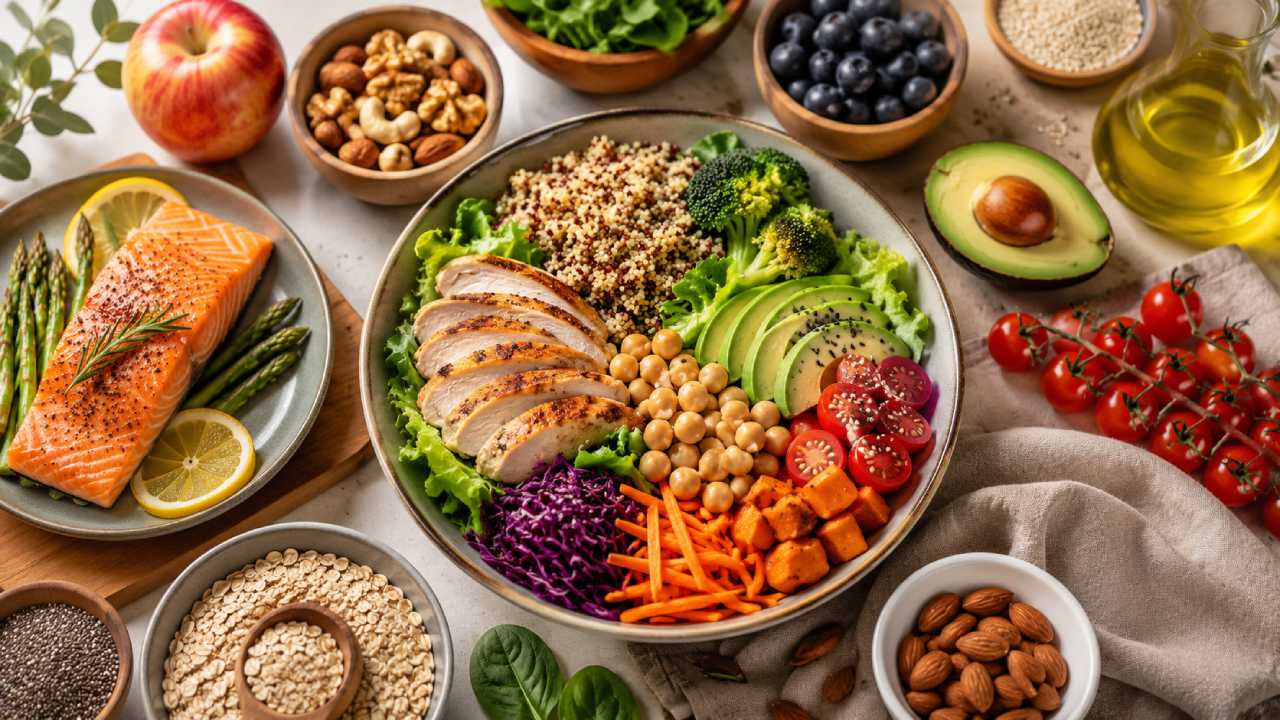
Fresh vegetables are among the most valuable components of Healthy Food. They are naturally rich in vitamins, minerals, antioxidants, and dietary fiber. In addition, vegetables are generally low in calories, making them suitable for various dietary goals. Leafy greens such as spinach and kale provide nutrients that support overall health. Meanwhile, colorful vegetables like carrots, bell peppers, and broccoli offer a variety of beneficial compounds. Because different vegetables contain different nutrients, eating a diverse selection is highly recommended. Consequently, nutrition experts often encourage individuals to include vegetables in every meal. This simple habit can contribute significantly to a healthier lifestyle.
Read Also: Weekly Meal Prep to Help with Diet Consistency
Lean Protein Supports Strength and Recovery
Protein plays a crucial role in maintaining and repairing body tissues. Therefore, lean protein sources are an important part of Healthy Food. Foods such as chicken breast, fish, eggs, tofu, and legumes provide high-quality protein while remaining relatively low in unhealthy fats. Additionally, protein helps increase satiety, which may reduce unnecessary snacking between meals. For active individuals, adequate protein intake supports muscle recovery and physical performance. Moreover, protein contributes to maintaining strength as people age. Because of these benefits, nutrition professionals often recommend including protein in every meal. As a result, balanced protein consumption supports overall health and wellness.
Whole Grains Offer Long-Lasting Energy
Whole grains are another essential element of Healthy Food because they provide complex carbohydrates and dietary fiber. Unlike refined grains, whole grains retain their natural nutrients and beneficial compounds. As a result, they release energy gradually and help maintain stable blood sugar levels. Popular examples include oats, quinoa, brown rice, and whole wheat bread. Furthermore, whole grains promote digestive health by supporting regular bowel movements. Many people also find that whole grains help them feel fuller for longer periods. Consequently, they can be a helpful addition to balanced meals. Incorporating whole grains regularly can contribute to sustained energy throughout the day.
Healthy Fats Play an Important Role
Contrary to common misconceptions, not all fats are harmful. In fact, healthy fats are an important component of Healthy Food. They support brain function, hormone production, and nutrient absorption. Foods such as avocados, nuts, seeds, olive oil, and fatty fish contain beneficial fats that contribute to overall wellness. Additionally, healthy fats can enhance the flavor and texture of meals. Because they provide lasting satisfaction, they may also help reduce overeating. However, moderation remains important when consuming any type of fat. Therefore, choosing high-quality sources is the most effective approach to maintaining a balanced diet.
Popular Healthy Food Trends Continue to Grow
In recent years, several Healthy Food trends have attracted widespread attention. For example, poke bowls, smoothie bowls, overnight oats, and avocado toast have become popular choices among health-conscious consumers. These meals combine convenience, flavor, and nutritional value in a single serving. Furthermore, they are highly customizable, allowing individuals to adjust ingredients based on personal preferences. Social media has also played a significant role in promoting these visually appealing dishes. As a result, more people are inspired to explore healthier eating habits. Although food trends may change over time, the demand for nutritious meals continues to increase. Therefore, Healthy Food remains highly relevant in modern lifestyles.
Building Sustainable Healthy Food Habits
Developing sustainable Healthy Food habits requires consistency rather than perfection. Instead of making drastic changes, many experts recommend starting with small and realistic improvements. For instance, increasing vegetable intake or replacing sugary snacks with fresh fruit can be effective first steps. Additionally, preparing meals at home allows greater control over ingredients and portion sizes. Over time, these small actions can create meaningful improvements in overall health. Moreover, sustainable habits are often easier to maintain than restrictive diets. Because of this, long-term success usually comes from gradual lifestyle changes. Ultimately, Healthy Food becomes most beneficial when it is incorporated into everyday routines.
Healthy Food demonstrates that nutritious eating does not have to be boring or restrictive. By combining fresh vegetables, lean proteins, whole grains, and healthy fats, individuals can create meals that are both delicious and beneficial. Furthermore, modern Healthy Food options offer convenience and variety for different lifestyles. As awareness about nutrition continues to grow, more people are discovering the value of balanced eating habits. Small daily choices can gradually lead to significant health improvements. Therefore, adopting a Healthy Food lifestyle is a practical investment in long-term well-being. In the end, healthy eating is about balance, consistency, and enjoyment. With the right approach, anyone can build a healthier and happier future.