India Tightens Food Safety Rules as Thousands Lose Licenses
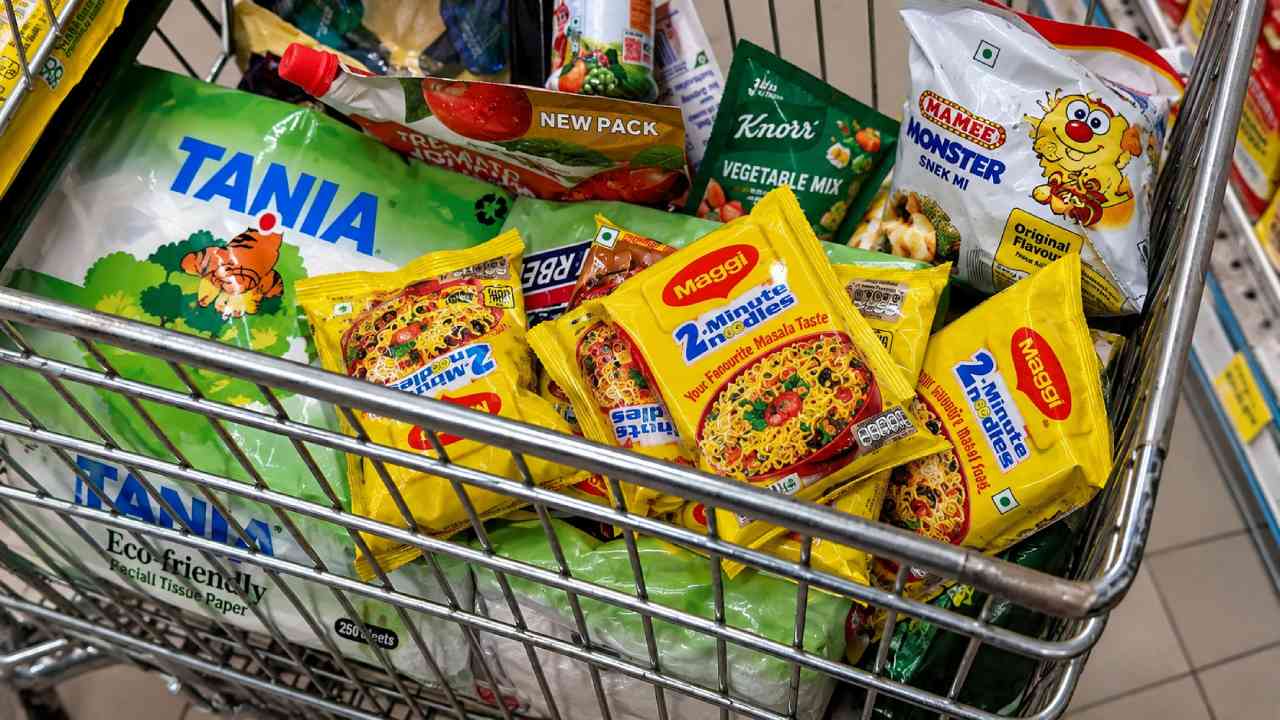
TastyPlatePedia – India Tightens Food safety oversight as regulators increase inspections across restaurants, food facilities, warehouses, and packaged-food businesses. The tougher approach comes as food hygiene, misleading labels, and adulteration remain major consumer concerns. Since 2020, inspectors have tested more than 100,000 food samples each year. Government data shows that roughly one in five samples was unsafe, substandard, or improperly labeled. Meanwhile, nearly 8,000 food business licenses were canceled during the last three years. These figures show why food safety has become a serious national issue. For consumers, stronger enforcement can provide greater confidence when buying everyday meals or packaged products. However, regulators also face an enormous challenge. India has about 1.4 billion people and an increasingly complex food market. Therefore, consistent inspections, clear standards, and responsible business practices will remain essential as authorities strengthen oversight.
Read Also: Old-Fashioned Cake Gets a Modern Twist With This Addictive Cheese Lava Recipe
Food Inspections Are Expanding Across the Country
Food inspections are becoming more visible as federal and state regulators increase checks on businesses. Authorities have also published photos and videos from enforcement operations. As a result, consumers can see some of the conditions inspectors discover. One recent operation in Uttar Pradesh found an unhygienic facility where inspectors seized around 1,300 kilograms of adulterated paneer. Paneer is widely consumed across India, particularly in vegetarian dishes. Consequently, a case involving such a familiar ingredient can quickly attract public attention. The inspections are not limited to small businesses. Regulators are examining different parts of the food supply chain, including established restaurants and commercial facilities. In my view, this wider approach matters because food safety problems can emerge at several stages. Poor storage, incorrect labeling, contaminated ingredients, or weak hygiene practices can all create risks. Therefore, effective oversight needs to follow food from production and storage to the point where consumers finally buy it.
Nearly 8,000 Food Business Licenses Have Been Canceled
The scale of enforcement becomes clearer when looking at licensing. Nearly 8,000 food business licenses have been canceled over the past three years. That number suggests regulators are moving beyond warnings when businesses fail to meet required standards. A food license is more than an administrative document. It signals that a business must operate under established rules for hygiene, handling, labeling, and other safety requirements. Therefore, losing a license can have serious commercial consequences. At the same time, enforcement needs to remain transparent and consistent. Businesses should understand which standards they have failed to meet and what corrective action is required. Consumers, meanwhile, benefit when unsafe operators cannot simply continue trading without consequences. The challenge is finding the right balance between firm enforcement and fair procedures. Strong food regulation works best when inspections are evidence-based, penalties are proportionate, and businesses know exactly what is expected from them before problems arise.
Restaurant Hygiene Is Moving Into the Public Spotlight
Restaurant hygiene has long been a concern for many consumers, especially when kitchens and food preparation areas remain hidden from view. Now, inspections are bringing those conditions into sharper focus. In Maharashtra, food safety commissioner Tukaram Mundhe has led a particularly aggressive inspection drive. His enforcement actions have included outlets operated by major restaurant chains as well as upscale clubs and restaurants around Mumbai. According to another Reuters report, Mundhe has conducted more than 3,000 raids on food establishments since May. This level of activity has helped turn food hygiene into a wider public conversation. Importantly, recognizable brands are not automatically exempt from scrutiny. That principle can strengthen consumer trust because standards should apply across the market. Still, inspections alone cannot solve every problem. Restaurants also need routine staff training, safe storage systems, clean preparation areas, and reliable internal checks before inspectors arrive.
Fake Expiry Dates Raise a Different Kind of Food Risk
Food safety does not end with a clean kitchen. Accurate packaging information is equally important. A recent warehouse investigation in Mumbai uncovered products with allegedly falsified expiry dates and nutritional information. Authorities seized products valued at nearly $80,000, along with equipment and materials reportedly used to alter labels. The investigation focused on exporters rather than the major manufacturers whose branded products were found there. This distinction is important because food fraud can occur outside a manufacturer’s authorized supply chain. For consumers, an altered expiry date can remove an important warning about product quality. Incorrect nutritional information can also influence dietary choices. Moreover, food moving through international supply chains may affect confidence beyond the domestic market. Canadian authorities began assessing whether the operation posed any risk to imports, although they had no information at the time showing that affected products had entered Canada. Accurate labels, therefore, are a basic part of food safety.
Red Warning Labels Could Change Packaged Food Shopping
Another major change involves the information consumers see before buying packaged food. India has proposed a red hexagonal front-of-pack warning symbol for products that exceed limits in at least two of three categories: added sugar, salt, and saturated fat. The idea could make nutritional information easier to notice. Currently, shoppers often need to turn a package around and examine detailed nutritional information before making a decision. A clear front label could provide a faster signal. However, the proposal remains controversial. Food companies argue that the thresholds could cause warning symbols to appear on a large share of packaged products. Public-health advocates have raised the opposite concern. They argue that requiring two nutrients to exceed limits may allow a product very high in only one concerning nutrient to avoid the warning. Therefore, the debate is not simply about whether warnings should exist. The bigger question concerns how strict and informative they should be.
Packaged Food Faces Growing Pressure for Greater Transparency
India’s packaged-food and drink market is worth more than $100 billion, making regulatory changes commercially significant. Another striking figure highlights the challenge: roughly 80% of India’s packaged-food market is high in fat, sugar, or salt. Consequently, stronger labeling could influence both consumer behavior and product development. Manufacturers may decide to reformulate products if warning symbols affect purchasing decisions. Similar policies elsewhere offer useful context. Reuters reported that Chile’s warning-label system was followed by a 23.7% decline in purchases of sugary drinks, according to researchers. India is different in population, food culture, and market structure, so the same outcome cannot simply be assumed. Nevertheless, clear labeling gives consumers more visible information at the moment of purchase. In my view, that transparency may become increasingly valuable as shoppers pay closer attention to ingredients and nutritional profiles rather than relying only on branding.
Read Also: Organic Mushroom Risotto Turns Simple Ingredients Into an Elegant Dish
A Fast-Growing Food Market Creates New Regulatory Challenges
Traditional restaurants and packaged foods are only part of the challenge. India’s food economy is changing rapidly as quick-commerce platforms and newer beverage categories expand. Quick commerce has grown into an estimated $13 billion sector that handles about nine million orders each day. In August 2026, authorities intensified food-safety action in this sector after inspectors found problems including rodents, cockroaches, rotten vegetables, and other hygiene violations at warehouses. Meanwhile, the energy-drink industry is growing at about 12.6% annually and faced new labeling requirements in July. These developments reveal a fundamental challenge for regulators. Food can now move from warehouse shelves to consumers within minutes. Therefore, inspection systems designed for traditional retail environments must adapt. Fast delivery should not mean weaker hygiene controls. Instead, businesses may need better temperature management, inventory tracking, pest control, and warehouse monitoring as convenience becomes a larger part of everyday food shopping.
Consumers Could Become More Influential in Food Safety
Stronger enforcement may also change how consumers respond to food problems. Social media already allows photos and videos of questionable food practices to spread rapidly. Consequently, hygiene failures that once remained local can quickly become national conversations. Regulators themselves are increasingly communicating enforcement actions publicly, which adds another layer of visibility. This creates pressure on food businesses to protect their reputation before a violation becomes widely known. However, consumers also need reliable information. A viral video does not automatically prove every allegation surrounding a restaurant or product. Official inspections and verified findings remain important. Ideally, public awareness and regulatory evidence should work together. Consumers can report suspicious practices, while inspectors can investigate them using established standards. Over time, that combination may encourage businesses to treat food safety as an everyday responsibility rather than something considered only when an inspection occurs.
Stronger Standards Could Reshape Trust in India’s Food Industry
The current crackdown shows that food safety is becoming closely connected with consumer trust. Testing data, license cancellations, hygiene inspections, alleged label fraud, and the debate over warning symbols all point toward the same issue: people want clearer evidence that the food they purchase is safe and accurately represented. Yet regulation alone cannot guarantee that outcome. Businesses need reliable internal controls, while authorities need enough capacity to enforce standards consistently. Consumers also need labels that are simple enough to understand without becoming misleading. As India Tightens Food safety controls, the long-term impact may extend beyond temporary raids or suspended licenses. Stronger standards could encourage cleaner kitchens, better storage, more accurate packaging, and greater accountability throughout the supply chain. For a food market serving an enormous population, those improvements matter. Ultimately, the most meaningful measure of success will not be the number of raids conducted. It will be whether consumers can trust what reaches their plates.