Musakhan Recipes Turn Chicken, Sumac, and Onions Into a Flavorful Feast
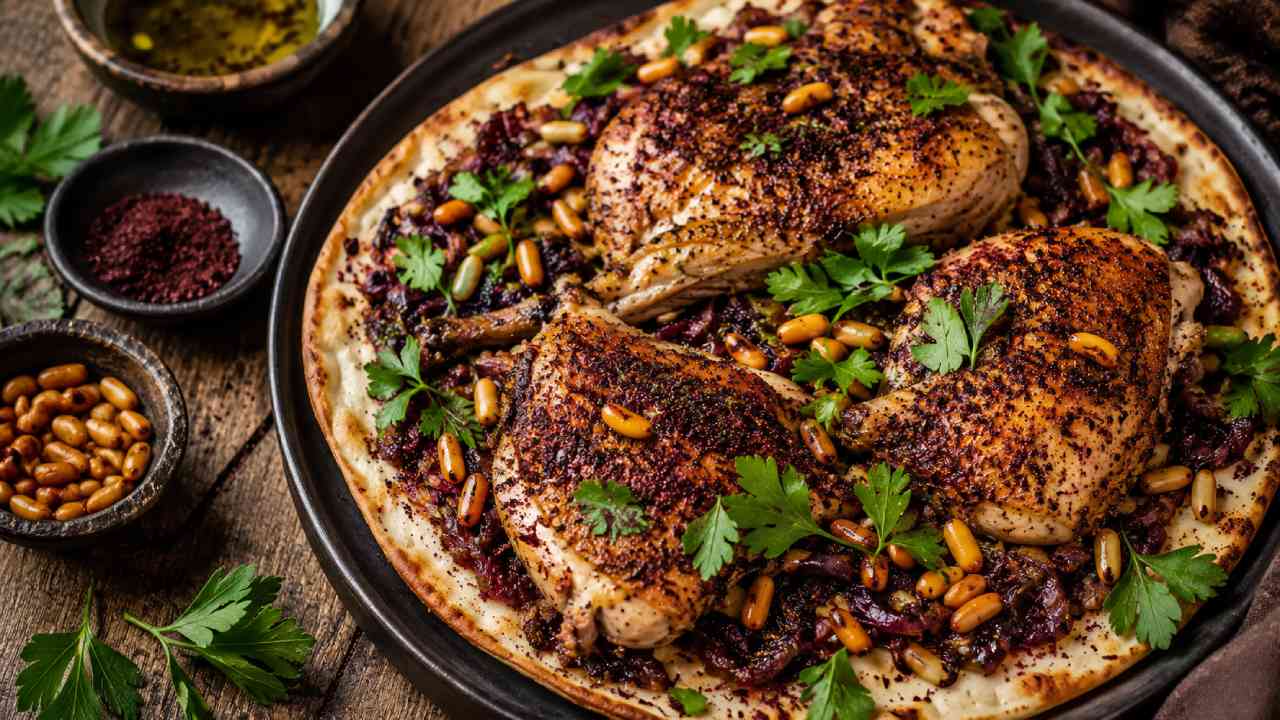
TastyPlatePedia – Musakhan brings together roasted chicken, tangy sumac, soft onions, olive oil, and warm bread in one generous Palestinian dish. At first glance, the ingredients may seem simple. However, each element plays an important role once everything reaches the table. The onions absorb the sumac and olive oil, while the bread catches the flavorful juices above it. Meanwhile, roasted chicken adds richness and makes the meal satisfying enough for a shared lunch or dinner. Musakhan recipes are also appealing because they do not depend on complicated sauces or elaborate presentation. Instead, they build flavor through good ingredients and careful cooking. The result is savory, slightly tangy, aromatic, and deeply comforting. More importantly, this dish reflects a style of cooking where bread is part of the meal itself. It absorbs the seasonings and becomes just as tempting as the chicken.
Read Also: Turkey Meatball Bowl Combines Juicy Meatballs with Colorful Vegetables
Musakhan Has Deep Roots in Palestinian Cooking
Musakhan is closely associated with Palestinian cuisine and is often served as a generous meal for family gatherings. Traditionally, the dish combines chicken with plenty of onions, sumac, olive oil, and taboon bread. These ingredients create layers of flavor without making the recipe unnecessarily complicated. Moreover, olive oil has an especially important role. It helps soften the onions while carrying the tart flavor of sumac throughout the dish. The bread underneath then absorbs some of that seasoned oil. As a result, it becomes rich and tender in places while keeping more texture around the edges. This combination explains why Musakhan feels different from ordinary roasted chicken. The bread, onions, seasoning, and meat are designed to be eaten together. Therefore, removing one major component changes the overall experience. For home cooks, that balance is worth understanding before making the recipe.
Sumac Gives Musakhan Its Distinctive Tangy Character
Sumac is one of the ingredients that immediately gives Musakhan its identity. The ground spice has a tart, fruity character that can remind some people of citrus. However, it brings its own distinctive flavor rather than simply copying lemon juice. Its deep reddish-purple color also makes the onion mixture visually appealing. When sumac meets warm olive oil and softened onions, its sharpness becomes part of a richer mixture. Therefore, the chicken does not need an overly complicated seasoning blend. Sumac provides enough personality to keep every bite interesting. Still, balance matters. Adding too little may leave the dish tasting flat, while using a generous but controlled amount creates a pleasant tang. Fresh, fragrant sumac usually gives the best result. For that reason, checking the aroma before cooking is useful. Good sumac should contribute noticeable tartness and a warm, fruity scent.
Slowly Cooked Onions Build a Richer Layer of Flavor
The onions deserve just as much attention as the chicken. In Musakhan, they are not a small aromatic addition hidden beneath other ingredients. Instead, they form a substantial layer across the bread. Cooking them gently helps release their natural sweetness without making them crisp. Then, olive oil and sumac turn those softened onions into a deeply seasoned topping. This process creates an appealing contrast. Sumac provides tartness, while the onions bring mild sweetness. Meanwhile, olive oil rounds out both flavors. Rushing this stage can change the final dish considerably. High heat may brown the onions too quickly before they become properly tender. Therefore, medium or medium-low heat usually gives the cook more control. Stirring regularly also helps them soften evenly. Once finished, the onions should taste rich enough to enjoy on their own. That is a useful sign that they are ready for the bread.
Taboon Bread Turns the Cooking Juices Into Part of the Meal
Bread is much more than a side dish in traditional Musakhan. Taboon bread creates the foundation for the chicken and seasoned onions. Once the ingredients are assembled, the bread begins absorbing olive oil and flavorful juices. Consequently, every section develops a slightly different texture. Some areas remain relatively firm, while others become soft and deeply seasoned. This variation is part of the pleasure of eating Musakhan. If authentic taboon bread is unavailable, a broad Middle Eastern flatbread can provide a practical substitute. However, very thin bread may become overly soft under the toppings. A stronger flatbread usually handles the oil and chicken better. Before serving, warming the bread can also improve its texture and aroma. Most importantly, avoid treating it as a decorative base. Tear off a piece with chicken and onions together, and the purpose of the bread becomes immediately clear.
Musakhan Ingredients
A good Musakhan recipe does not require an unusually long shopping list. However, ingredient quality can make a noticeable difference because the dish relies on a few dominant flavors. Bone-in chicken pieces are useful because they stay juicy during roasting. Meanwhile, good olive oil gives the onion mixture a fuller taste. Adjust the salt and sumac according to the size of the chicken and your personal preference.
● 1 whole chicken, cut into 4 pieces
● 4 large onions, thinly sliced
● 4 tablespoons ground sumac, plus extra for serving
● 120 ml extra virgin olive oil
● 4 pieces taboon bread or sturdy Middle Eastern flatbread
● 1 teaspoon ground cumin
● ½ teaspoon ground allspice
● 1 teaspoon salt, or to taste
● ½ teaspoon freshly ground black pepper
● 50 g pine nuts
● 1 tablespoon olive oil for roasting the pine nuts
● Fresh parsley for garnish, optional
These quantities make a generous family-style meal. You can also reduce the recipe for a smaller table.
How to Make Musakhan Step by Step
Making Musakhan becomes easier when the chicken and onion mixture are prepared separately before final assembly. This method also gives you better control over texture.
- Preheat the oven to 200°C or 400°F.
- Pat the chicken dry with paper towels so the surface can roast more evenly.
- Season the chicken with salt, black pepper, cumin, allspice, and about one tablespoon of sumac.
- Rub a small amount of olive oil over the chicken.
- Place the chicken on a roasting tray and cook for about 40 to 50 minutes. The exact time depends on the size of the pieces. Cook until the chicken reaches a safe internal temperature and the juices run clear.
- Meanwhile, warm the olive oil in a large pan over medium-low heat.
- Add the sliced onions and cook gently until very soft. Stir often and avoid burning them.
- Add the remaining sumac to the onions. Stir until the seasoning coats them evenly.
- Toast the pine nuts separately with a little olive oil until lightly golden.
- Warm the flatbreads briefly in the oven.
- Spread the sumac onions generously across each piece of bread.
- Place the roasted chicken over the bread and onions.
- Sprinkle toasted pine nuts and extra sumac over the top before serving.
Simple Tips Can Make Homemade Musakhan Taste Better
Small details can improve Musakhan without changing its traditional character. First, give the onions enough time to soften. Their sweetness develops gradually, so patience creates better balance with the sumac. Second, do not remove all the olive oil from the onion mixture. Some of it should reach the bread because that is part of the dish’s character. Third, use sturdy bread whenever possible. It needs enough structure to absorb flavorful oil without falling apart immediately. Fourth, taste your sumac before adding it. Its strength can vary between products. Finally, assemble Musakhan close to serving time if you prefer more texture in the bread.
- Cook onions slowly rather than browning them aggressively.
- Use fresh, aromatic sumac for a brighter flavor.
- Choose extra virgin olive oil that tastes pleasant on its own.
- Keep the chicken juicy by avoiding excessive roasting.
- Toast pine nuts carefully because they can brown quickly.
- Warm the bread before adding the onion mixture.
- Add extra sumac at the table if you prefer stronger tartness.
Read Also: Mochi Basque Cake Goes Viral With a Creamy Center and Chewy Texture
Serving Musakhan Family Style Makes the Dish More Inviting
Musakhan looks especially appealing when presented on a large serving platter. Place the bread first, followed by a generous layer of onions. Then arrange the roasted chicken on top. Pine nuts and a final dusting of sumac can add texture and visual contrast. Instead of dividing everything into individual plates immediately, place the platter in the center of the table. This presentation encourages diners to take bread, onions, and chicken together. A fresh cucumber and tomato salad can provide a crisp contrast to the richer flavors. Plain yogurt can also work well alongside the dish. However, Musakhan does not require many side dishes. The bread already provides carbohydrates, while the chicken supplies protein. Onions and olive oil complete the main flavor structure. Therefore, simple accompaniments often work better than a crowded table of competing flavors.
Why Musakhan Recipes Feel Both Simple and Generous
The appeal of Musakhan comes from how much flavor develops from a relatively short ingredient list. Chicken, onions, sumac, olive oil, and bread are straightforward components. Yet their interaction creates something much more distinctive. The chicken contributes roasted richness. Meanwhile, onions provide sweetness and softness. Sumac adds tartness, while olive oil carries those flavors into the bread below. Consequently, no single ingredient needs to dominate every bite. This balance also makes Musakhan a useful example of ingredient-driven cooking. Instead of covering the chicken with a heavy sauce, the recipe allows each element to remain recognizable. From a home cook’s perspective, that simplicity is valuable. The technique is approachable, yet the finished platter looks impressive. Moreover, the family-style presentation makes the dish feel generous without requiring complicated decoration. That combination gives Musakhan lasting appeal beyond its striking appearance.
Musakhan Turns Everyday Ingredients Into a Memorable Shared Meal
Musakhan demonstrates how thoughtful preparation can transform familiar ingredients. Chicken becomes more interesting when paired with tart sumac. Onions develop deeper sweetness after slow cooking. Meanwhile, olive oil carries both flavors into warm bread. Finally, toasted pine nuts add a delicate crunch that contrasts with the tender components underneath. What makes the dish memorable, however, is not one ingredient alone. It is the way everything comes together on the same piece of bread. That structure encourages diners to experience several flavors and textures in one bite. It also gives the meal a naturally communal feeling. For anyone exploring Palestinian cooking, Musakhan offers an accessible place to begin. The recipe teaches the importance of sumac, good olive oil, patient onion cooking, and sturdy bread. Above all, it proves that a flavorful feast does not need an endless list of ingredients.