Why Nutrition Experts Are Raising Concerns About Ultra-Processed Foods
TastyPlatePedia – Ultra-Processed Foods are now deeply integrated into modern lifestyles. From breakfast cereals and packaged snacks to frozen meals and sugary beverages, these products are available almost everywhere. Their convenience makes them attractive to busy consumers who often have limited time to prepare fresh meals. As a result, many households rely on processed food products more frequently than ever before. While these foods offer practicality and affordability, health experts are beginning to question their long-term impact. Consequently, researchers and nutritionists have increased their focus on understanding how these products affect overall well-being. The discussion has grown significantly over the past few years as evidence continues to emerge. Therefore, Ultra-Processed Foods have become one of the most debated topics in the nutrition world.
Understanding What Makes a Food Ultra-Processed
Many people assume all processed foods are unhealthy, but that is not entirely accurate. Processing food can include simple actions such as freezing vegetables or pasteurizing milk. However, Ultra-Processed Foods go much further than basic preservation methods. These products often contain multiple industrial ingredients, artificial flavors, preservatives, colorings, emulsifiers, and sweeteners. In many cases, the original food ingredients become difficult to recognize. Because of these modifications, the final product is designed to be highly appealing, convenient, and shelf-stable. While this approach benefits manufacturers and consumers seeking convenience, it also raises questions about nutritional quality. Therefore, understanding the difference between minimally processed and ultra-processed foods is essential for making informed dietary choices.
Why Experts Are Becoming Increasingly Concerned
Nutrition experts are raising concerns because growing research suggests a connection between Ultra-Processed Foods and several health issues. Studies conducted in recent years have linked high consumption of these products to obesity, heart disease, type 2 diabetes, and certain forms of cancer. Although researchers continue to investigate the exact mechanisms involved, the pattern appears consistent across multiple populations. Furthermore, many Ultra-Processed Foods contain excessive amounts of sugar, sodium, and unhealthy fats. These ingredients may contribute to chronic inflammation and metabolic disorders when consumed regularly. Consequently, health organizations are encouraging consumers to pay closer attention to food labels and ingredient lists. The goal is not necessarily complete avoidance but rather greater awareness and moderation.
Read Also: Only 250 Calories! Larb Gai Is Becoming the Favorite Diet Food of 2026
The Hidden Impact on Eating Habits
One aspect that often receives less attention is how Ultra-Processed Foods influence eating behavior. Many of these products are engineered to maximize taste, texture, and satisfaction. As a result, consumers may find it difficult to stop eating once they begin. Some experts compare this effect to other highly rewarding experiences that encourage repeated behavior. Moreover, these foods are often marketed aggressively through advertising campaigns and attractive packaging. This combination can lead people to consume more calories than intended. Consequently, portion control becomes increasingly challenging. Over time, these habits may contribute to weight gain and other health complications. Therefore, experts emphasize the importance of mindful eating and awareness of food choices.
Ultra-Processed Foods and Brain Health
Recent discussions have also focused on the relationship between Ultra-Processed Foods and cognitive health. Several studies suggest that diets high in heavily processed products may be associated with a greater risk of cognitive decline later in life. While research in this area is still evolving, scientists believe that inflammation, poor nutrient quality, and metabolic dysfunction may play important roles. Additionally, foods lacking essential vitamins, minerals, and antioxidants may fail to support optimal brain function. As a result, nutrition experts increasingly recommend dietary patterns that emphasize whole foods. Although no single food determines brain health, overall dietary quality appears to have a significant influence on long-term cognitive performance. Therefore, nutrition remains a key factor in healthy aging.
The Growing Shift Toward Whole Foods
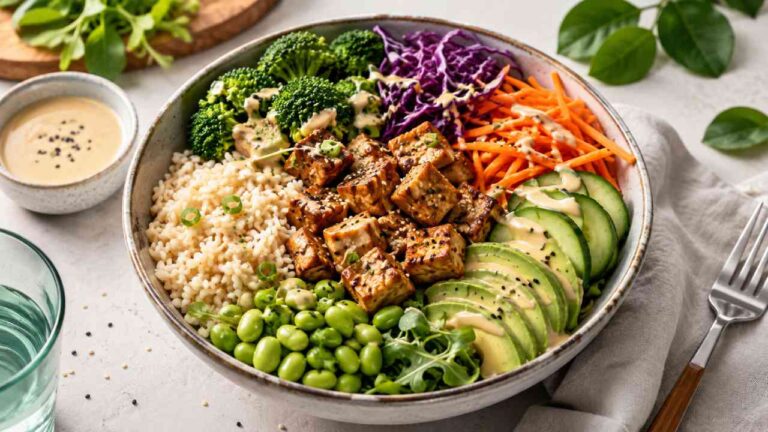
As concerns continue to grow, more consumers are turning toward whole foods and minimally processed ingredients. Fresh fruits, vegetables, whole grains, legumes, nuts, and lean proteins are receiving renewed attention from health-conscious individuals. Unlike Ultra-Processed Foods, these options often provide a broader range of nutrients while containing fewer artificial additives. Furthermore, whole foods tend to promote greater satiety and balanced energy levels throughout the day. This shift reflects a broader movement toward preventive health and wellness. Many people are realizing that small changes in daily eating habits can create meaningful benefits over time. Consequently, nutrition experts view this trend as a positive development for public health.
Policy Discussions Are Expanding Worldwide
The conversation surrounding Ultra-Processed Foods is no longer limited to nutrition clinics and academic research. Governments, public health organizations, and policymakers are also becoming involved. Some countries have introduced warning labels, sugar taxes, or educational campaigns designed to help consumers make healthier choices. Meanwhile, researchers continue to debate how best to regulate food marketing and improve nutritional transparency. Although opinions differ on specific strategies, there is growing agreement that public awareness is essential. Therefore, policy discussions are expected to play a larger role in shaping future food environments. The challenge lies in balancing consumer freedom with the need to protect public health.
Finding Balance in a Modern Food Environment
Ultimately, Ultra-Processed Foods are unlikely to disappear from modern society. Their convenience and accessibility make them an attractive option for many people. However, nutrition experts emphasize that balance remains the most practical approach. Rather than focusing on strict restrictions, many professionals encourage individuals to prioritize whole foods whenever possible while enjoying processed products in moderation. This perspective allows people to maintain flexibility without compromising long-term health goals. Additionally, understanding food ingredients and nutritional quality can empower consumers to make more informed decisions. As research continues to evolve, one message remains clear: building a healthy diet begins with awareness, balance, and consistent choices that support overall well-being.