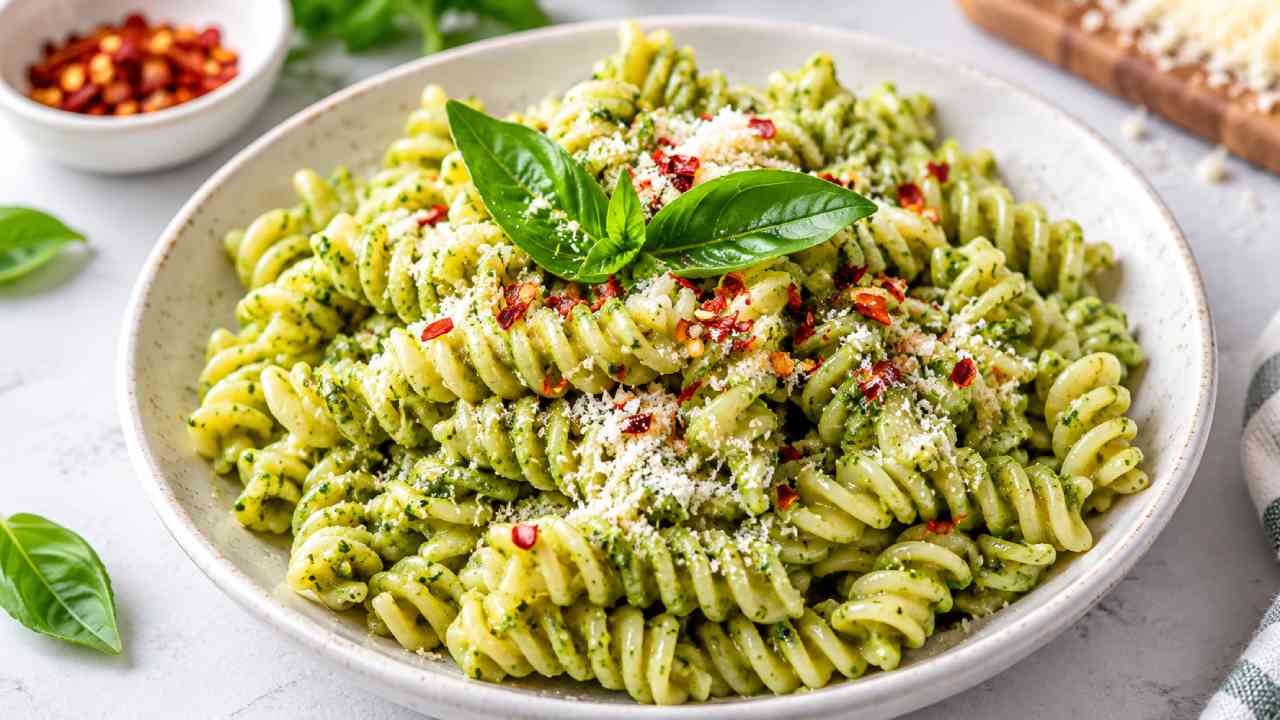
Avocado Pesto Pasta, a Creamy and Fresh Healthy Meal
TastyPlatePedia – Healthy meals do not have to feel plain or repetitive. Avocado Pesto Pasta proves that simple ingredients can create a creamy and satisfying dish. The sauce combines ripe avocado with fresh basil, garlic, lemon juice, and olive oil. As a result, it develops a smooth texture without relying heavily on cream. The avocado adds richness, while basil brings a fresh herbal aroma. Meanwhile, lemon provides acidity that keeps the sauce from feeling too heavy. This combination makes the pasta suitable for a quick lunch or relaxed dinner. In addition, the bright green sauce gives the dish an appealing appearance. Cherry tomatoes, spinach, or grilled vegetables can add even more color. From my perspective, its strongest quality is balance. The pasta feels comforting, yet the fresh ingredients keep every bite lively. Therefore, it works well for anyone who wants a modern meal built around familiar ingredients.
Read Also: Samgyetang A Traditional Korean Dish from East Asian Cuisine
Ripe Avocado Creates a Naturally Creamy Sauce
The texture of Avocado Pesto Pasta depends heavily on the avocado. A ripe avocado blends easily and creates a naturally smooth sauce. This means the recipe can achieve a creamy consistency without needing large amounts of heavy cream. However, choosing the right avocado matters. The flesh should feel soft enough to blend but should not have an unpleasant smell or excessive brown spots. Once blended with olive oil and lemon juice, the avocado develops an even silkier consistency. Garlic adds depth, while basil gives the sauce its pesto-inspired character. A small amount of pasta water can also loosen the mixture when needed. More importantly, the sauce should coat the pasta instead of collecting at the bottom of the bowl. This simple detail improves the eating experience. Because avocado has a mild flavor, it also works as a flexible base for herbs, spices, vegetables, and different protein options.
Fresh Basil Gives the Pasta Its Pesto Character
Avocado creates the creamy foundation, but basil gives the sauce its recognizable pesto personality. Fresh basil has a fragrant aroma that immediately makes a pasta dish feel brighter. Traditionally, pesto often includes basil, garlic, olive oil, nuts, and cheese. In this variation, avocado becomes an important part of that familiar combination. Consequently, the sauce feels richer while maintaining its fresh character. Pine nuts can provide a classic touch, although walnuts or cashews can also work well. Parmesan adds savory depth for those who enjoy cheese. On the other hand, a plant-based version can use nutritional yeast or simply leave the cheese out. The key is avoiding too many competing flavors. Basil should remain noticeable, while avocado should provide texture rather than dominate everything else. Therefore, balancing the ingredients is more important than adding large quantities. A well-made sauce should taste fresh, slightly nutty, savory, and gently tangy at the same time.
Lemon Adds the Bright Flavor This Creamy Pasta Needs
Lemon may seem like a small ingredient, yet it plays an important role in Avocado Pesto Pasta. Avocado and olive oil both provide richness. Without enough acidity, the finished sauce may taste too heavy or flat. Fresh lemon juice creates contrast and makes the herbal flavors feel brighter. Moreover, acidity can help slow the visible browning of freshly cut avocado, although it cannot stop oxidation forever. This is one reason the sauce tastes and looks best when prepared close to serving time. Lemon zest can also add extra citrus aroma without making the pasta overly sour. However, it is better to add citrus gradually. Too much lemon can overpower the delicate avocado and basil. A small amount should support the other ingredients rather than become the main flavor. In my view, this balance separates a refreshing avocado pasta from one that simply tastes rich. Each ingredient needs enough space to remain noticeable in the final dish.
Whole-Grain Pasta Can Add More Fiber to the Meal
Choosing the pasta offers another opportunity to adjust the nutritional profile of this meal. Traditional pasta works perfectly well, but whole-grain pasta can provide more fiber. Its slightly nutty flavor also pairs naturally with avocado and basil. Chickpea or lentil pasta can offer another alternative, especially for people who want to vary their protein and fiber intake. However, texture should remain part of the decision. Different pasta varieties absorb sauce differently, so cooking time and pasta water may need adjustment. Shapes such as spaghetti, linguine, fusilli, or penne can all work with avocado pesto. Fusilli is particularly useful because its twists hold creamy sauce effectively. Meanwhile, spaghetti provides a more classic presentation. Regardless of the shape, cooking the pasta until pleasantly firm helps prevent the dish from becoming too soft. Ultimately, a healthy meal is not defined by one ingredient. Portion size, variety, and the overall balance of the plate matter as well.
Colorful Vegetables Make the Dish More Interesting
Vegetables can transform a simple bowl of Avocado Pesto Pasta into a more colorful meal. Cherry tomatoes are an excellent starting point because their sweet acidity contrasts with the creamy green sauce. Spinach adds leafy greens without dramatically changing the flavor. Meanwhile, roasted broccoli provides a firmer texture and slightly deeper taste. Zucchini, asparagus, peas, and bell peppers are other useful options. Rather than adding every vegetable at once, choosing two or three can keep the dish balanced. Texture also deserves attention. If every ingredient is soft, the meal can quickly feel monotonous. Roasted vegetables, toasted nuts, or fresh tomatoes can provide useful contrast. Furthermore, colorful ingredients make the pasta visually appealing without requiring complicated decoration. Green avocado sauce, red tomatoes, and fresh basil create a naturally vibrant presentation. This makes the meal suitable for everyday dining while still looking polished enough for a weekend lunch with friends or family.
Baca Juga: Viral Pumpkin Brownie Chunk Bread Is Soft, Fudgy, and Loaded with Chocolate
Chicken, Shrimp, or Chickpeas Can Add Protein
One advantage of this pasta is its flexibility. Grilled chicken can turn it into a more substantial meal without changing the main flavor profile. Shrimp is another attractive option because its light sweetness works well with lemon and basil. Salmon can also pair nicely with the creamy avocado sauce. For a plant-based version, chickpeas or tofu provide practical alternatives. However, the protein should complement the pasta rather than overwhelm it. Simple seasoning with pepper, garlic, herbs, and a moderate amount of salt is often enough. Additionally, protein can be served on top instead of mixed completely into the sauce. This keeps the presentation cleaner and allows each component to maintain its texture. A balanced plate might combine pasta, avocado pesto, vegetables, and a suitable protein source. Therefore, the recipe can easily adapt to different eating preferences. This flexibility is one reason it works well as a repeatable home-cooking idea rather than a one-time novelty.
A Healthy Label Still Depends on Portions and Balance
Avocado is widely valued for its unsaturated fat content, while vegetables, nuts, and whole grains can contribute useful nutrients. Still, calling Avocado Pesto Pasta healthy does not mean portion size becomes irrelevant. Avocado, nuts, olive oil, and cheese are all energy-dense foods. Combining very large amounts of each ingredient can quickly create a heavier meal than expected. Therefore, balance remains important. A reasonable serving of pasta can be paired with vegetables and protein instead of simply adding more sauce. Likewise, olive oil should enhance the texture rather than make the pasta greasy. This approach also improves flavor because basil, garlic, lemon, and avocado remain easier to distinguish. Healthy eating is generally more sustainable when food remains enjoyable and satisfying. There is little value in creating a meal that feels restrictive or bland. Avocado pesto offers a useful middle ground because it combines comfort, freshness, and flexibility in one simple dish.
Simple Preparation Makes It Ideal for Busy Days
Another strength of Avocado Pesto Pasta is its relatively simple preparation. While the pasta cooks, the sauce can be blended in only a few steps. Ripe avocado, basil, garlic, lemon juice, nuts, and olive oil form the main mixture. Once the pasta is ready, a little cooking water can help adjust the sauce consistency. The avocado pesto should ideally be mixed with warm pasta rather than cooked aggressively over high heat. Excessive heat can affect its fresh flavor and bright appearance. After mixing, vegetables, herbs, cheese, or protein can be added before serving. Because avocado naturally oxidizes, this dish is generally at its best when eaten fresh. That characteristic actually suits its identity as a quick meal. There is no need for a long simmering process or complicated preparation. With thoughtful portions and fresh ingredients, this creamy green pasta can become an easy addition to a balanced home-cooking routine.