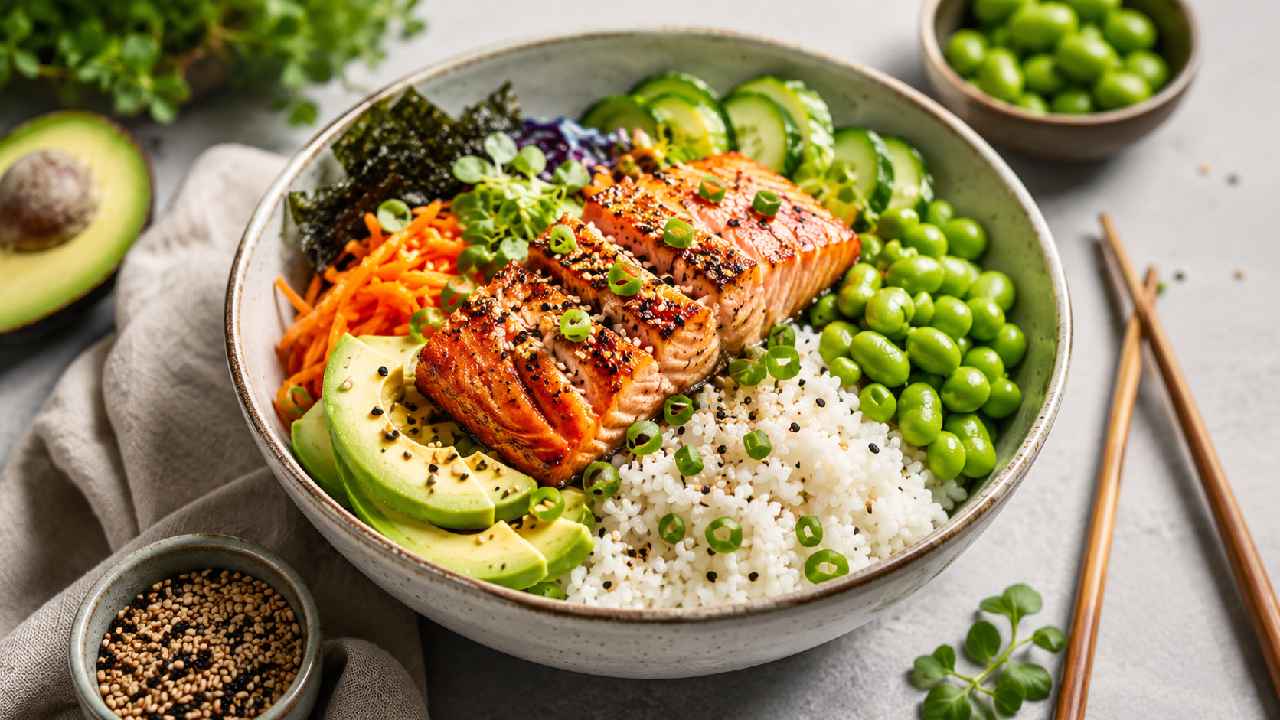
Salmon Rice Bowl: A Healthy Food Dish Rich in Protein and Healthy Fats
TastyPlatePedia – A Salmon Rice Bowl brings together warm rice, tender salmon, fresh vegetables, and a light savory sauce in one satisfying meal. It looks simple, yet every ingredient has a clear purpose. Salmon provides protein and healthy fats, while rice delivers steady energy. Meanwhile, colorful vegetables add fiber, texture, and freshness. Because of this balance, the dish works well for lunch, dinner, or weekly meal preparation. More importantly, it proves that nutritious food does not need to feel bland or restrictive. With the right ingredients and cooking method, a homemade bowl can taste comforting, fresh, and restaurant-quality at the same time.
Read Also: Zeppole Discover the Traditional Italian Dessert Loved for Generations
Why the Salmon Rice Bowl Has Become So Popular
The Salmon Rice Bowl has become popular because it fits modern eating habits. Many people want meals that are quick, nutritious, flexible, and visually appealing. This dish meets all four needs without requiring complicated techniques. In addition, it is easy to adjust based on personal taste. Some people prefer brown rice for extra fiber, while others choose white rice for a softer texture. The toppings can also change from avocado and cucumber to broccoli, edamame, or shredded carrots. As a result, the bowl never feels repetitive. In my view, this flexibility is its greatest strength. It offers enough structure to remain balanced, yet it leaves room for creativity. Therefore, both experienced home cooks and beginners can prepare it with confidence.
A Balanced Combination of Protein, Carbohydrates, and Healthy Fats
A well-prepared Salmon Rice Bowl contains the three main macronutrients the body needs. First, salmon supplies high-quality protein that supports muscle maintenance and tissue repair. Second, rice provides carbohydrates, which remain an important source of daily energy. Finally, salmon and avocado contribute healthy fats that help improve satisfaction after eating. This combination can help reduce the urge to snack soon after a meal. However, balance still depends on portion size. A bowl with too much sauce or very little vegetable content may feel heavy. Therefore, a practical serving should include a moderate amount of rice, a palm-sized portion of salmon, and plenty of colorful vegetables. This simple structure makes the meal easier to enjoy regularly.
Salmon Provides Valuable Omega-3 Fatty Acids
One of the main nutritional benefits of a Salmon Rice Bowl comes from omega-3 fatty acids. Salmon naturally contains EPA and DHA, two forms of omega-3 that support normal heart and brain function. These fats also make salmon taste rich without the need for excessive butter or heavy sauces. Moreover, salmon contains vitamin B12, selenium, and vitamin D. These nutrients support several important processes in the body. Still, cooking style matters. Deep-frying the fish may add unnecessary oil and reduce the fresh character of the dish. Instead, grilling, baking, pan-searing, or air-frying can create a golden surface while keeping the inside moist. A little lemon juice, garlic, and black pepper is often enough to highlight the natural flavor.
Choosing the Right Rice for Better Texture and Nutrition
Rice forms the base of the bowl, so the right choice can change both flavor and texture. White rice has a soft, comforting quality and pairs easily with savory salmon. Brown rice, on the other hand, contains more fiber and has a slightly nutty taste. Quinoa can also work for people who want a different texture and more plant-based protein. Meanwhile, cauliflower rice offers a lighter alternative for those reducing carbohydrates. There is no single option that works for everyone. Instead, the best rice depends on personal needs and preferences. For everyday meals, a mix of white and brown rice can provide a good balance between softness and fiber. Most importantly, avoid adding too much oil or salt during cooking, since the toppings and sauce already contribute plenty of flavor.
Fresh Vegetables Add Color, Fiber, and Crunch
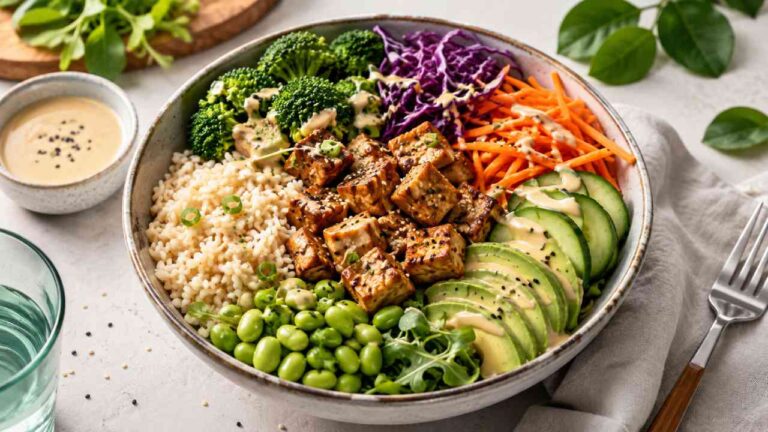
Vegetables make a Salmon Rice Bowl more complete and visually attractive. Cucumber adds freshness, carrots bring natural sweetness, and edamame contributes extra protein and fiber. Avocado provides creaminess, while seaweed adds a mild ocean flavor that complements the fish. Furthermore, a mix of raw and cooked vegetables creates a more interesting eating experience. For example, crisp cucumber can sit beside warm roasted broccoli. This contrast prevents the meal from feeling flat. From a practical perspective, using several colors is an easy way to increase variety. Green, orange, red, and purple vegetables often provide different nutrients. Therefore, choosing toppings by color can help create a balanced bowl without complicated planning.
Simple Seasonings Can Create Restaurant-Quality Flavor
A flavorful Salmon Rice Bowl does not need a long list of ingredients. Soy sauce, garlic, sesame oil, lemon juice, and black pepper can create a strong foundation. However, the sauce should support the salmon rather than hide it. For a lighter result, mix low-sodium soy sauce with fresh lime juice and a small amount of honey. Another option is a yogurt-based sauce with garlic and herbs. Spicy food lovers can add chili flakes or a little sriracha. Even so, moderation remains important because bottled sauces may contain high amounts of sodium or sugar. A small drizzle is often enough. In my experience, seasoning the fish before cooking and adding only a little sauce at the end produces a cleaner and more balanced flavor.
How to Prepare a Salmon Rice Bowl at Home
Start by marinating the salmon with low-sodium soy sauce, garlic, lemon juice, and black pepper for about 15 minutes. Next, cook the salmon in a pan, oven, or air fryer until the center is tender and fully cooked. While the fish cooks, prepare the rice and vegetables. Place the warm rice at the bottom of a bowl, then arrange cucumber, carrots, edamame, avocado, or other toppings around it. After that, place the salmon in the center. Finish with sesame seeds, sliced spring onion, or dried seaweed. This method creates a clean presentation and keeps each texture distinct. More importantly, the entire meal can be ready in less than 30 minutes when the rice is prepared in advance.
A Practical Choice for Weekly Meal Preparation
The Salmon Rice Bowl works well for meal preparation because most ingredients can be stored separately. Cooked rice, vegetables, sauce, and salmon can remain ready in the refrigerator for several days when handled safely. However, avocado and fresh cucumber are best added shortly before serving. This keeps them from becoming soft or watery. For better texture, store the sauce in a small separate container. Then, reheat only the rice and salmon before assembling the bowl. This approach saves time and prevents the vegetables from losing their freshness. It also makes portion control easier. Instead of ordering a random lunch during a busy day, you already have a balanced meal waiting in the refrigerator.
Read Also: Organic Bread Is Gaining Popularity: Discover the Natural Ingredients Behind Its Delicious Taste
Easy Variations for Different Dietary Preferences
A Salmon Rice Bowl can be adapted for many eating styles. For a higher-fiber version, use brown rice and add extra greens. For a lower-carbohydrate bowl, replace part of the rice with cauliflower rice. People who prefer a sweeter flavor can use a light teriyaki glaze. Meanwhile, those who enjoy fresh citrus can add ponzu sauce and orange segments. Tofu, grilled chicken, or tuna can replace salmon when needed, although the nutritional profile will change. You can also add kimchi for acidity or pickled ginger for a sharper taste. Because the basic formula is simple, one recipe can create many different meals. This variety makes healthy eating easier to maintain over time.
Common Mistakes That Can Make the Bowl Less Healthy
Although the Salmon Rice Bowl is naturally nutritious, several mistakes can reduce its benefits. The first is adding too much creamy sauce. Spicy mayonnaise may taste delicious, but large amounts quickly increase calories and fat. The second mistake is using a very large portion of rice while adding only a few vegetables. This creates an unbalanced meal. Another common issue is overcooking the salmon, which makes it dry and encourages the use of more sauce. Finally, some people rely heavily on salty toppings, such as soy sauce, pickles, and seasoned seaweed. A better approach is to build flavor with herbs, citrus, garlic, and sesame seeds. These ingredients improve taste without overwhelming the bowl.
Why This Healthy Bowl Fits a Sustainable Lifestyle
The greatest value of a Salmon Rice Bowl is not only its nutritional content. It is also realistic for everyday life. The ingredients are easy to find, the cooking method is simple, and the bowl can be customized without losing its identity. As a result, it supports a healthier routine without creating unnecessary pressure. In my opinion, sustainable eating should feel enjoyable rather than strict. A meal that offers comfort, freshness, and flexibility is more likely to become a regular habit. The Salmon Rice Bowl achieves that balance. It provides valuable protein, healthy fats, energy, fiber, and flavor in one practical serving.