Japanese Mont Blanc Cake with Beautiful Chestnut Cream Swirls
TastyPlatePedia – Japanese Mont Blanc Cake is a delicate Japanese-style cake known for its beautiful chestnut cream swirls and elegant appearance. Its signature design features thin strands of chestnut cream arranged over a soft, creamy center. Moreover, the combination of fluffy sponge cake, smooth cream, and rich chestnut flavor creates a unique experience. Unlike ordinary cakes, Mont Blanc Cake highlights both traditional craftsmanship and modern Japanese baking aesthetics. Its distinctive appearance has also made it an attractive choice for specialty bakeries and cake enthusiasts.
Read Also: Mango Saffron Milk Cake Recipe: A Tropical Dessert with a Premium Touch
The European Origins Behind Japanese Mont Blanc Cake
Mont Blanc Cake has an interesting history that connects European pastry traditions with Japanese baking culture. Its name comes from Mont Blanc, the famous mountain in the Alps. The original confection developed within European pastry traditions, particularly in France and Italy. Over time, Japanese pastry chefs adapted the concept to suit local preferences. They introduced lighter textures, balanced sweetness, and more delicate presentations. As a result, Japanese Mont Blanc Cake developed its own recognizable identity. Traditional European versions often emphasize chestnut puree and cream. Meanwhile, Japanese interpretations frequently feature soft sponge cake and carefully arranged chestnut cream strands. This transformation reflects Japan’s ability to reinterpret international foods while preserving their original character. Today, Mont Blanc remains a familiar specialty in many Japanese pastry shops, especially during the autumn season.
Beautiful Chestnut Cream Swirls Create a Signature Appearance
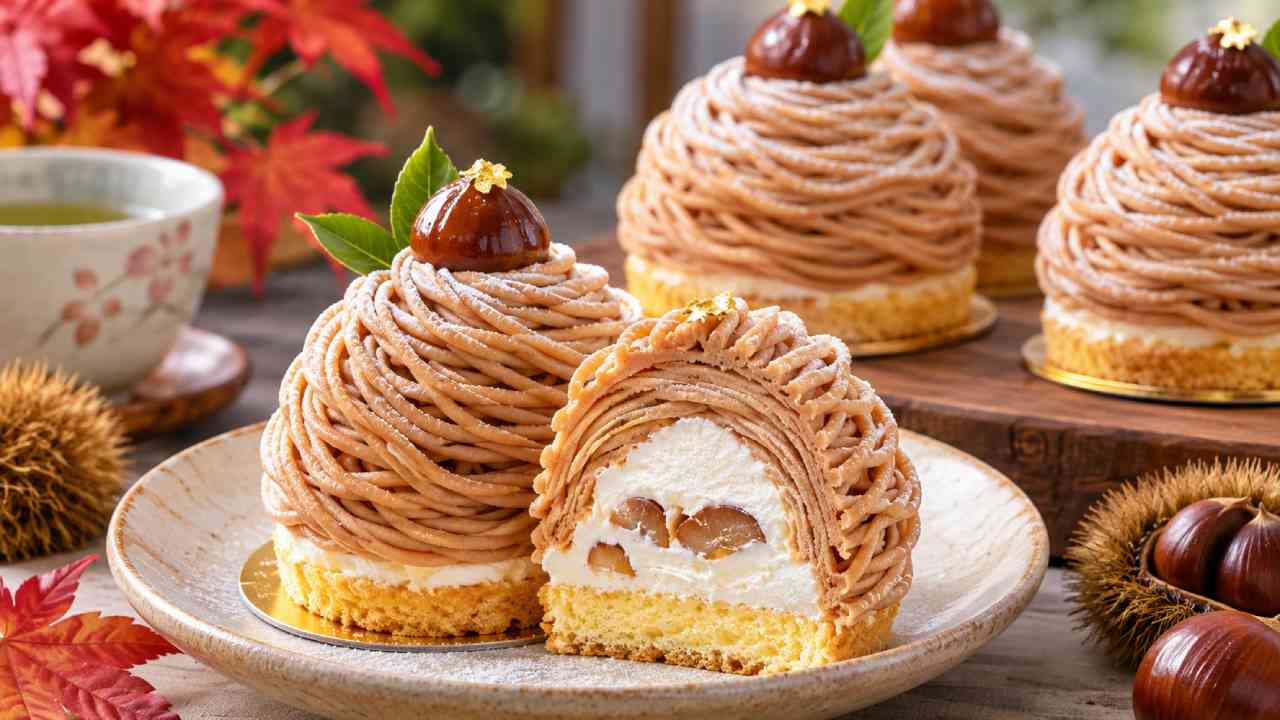
The most recognizable feature of Mont Blanc Cake is its beautiful chestnut cream swirls. These delicate strands resemble fine noodles arranged around a soft cream filling. However, their purpose extends beyond decoration. The swirls also contribute to the cake’s smooth texture and distinctive chestnut flavor. Pastry chefs typically use specialized piping tools to create consistent strands. They carefully layer the cream until it forms an elegant dome. Consequently, each cake develops a sophisticated appearance that differs from conventional frosted cakes. Some Japanese bakeries prefer natural chestnut colors, while others introduce modern decorative touches. Nevertheless, the classic swirl design remains the defining characteristic. Its visual simplicity creates an impression of precision and craftsmanship. This distinctive presentation also makes Mont Blanc Cake particularly appealing in food photography and contemporary bakery displays.
Why Chestnut Cream Gives Mont Blanc Cake Its Unique Flavor
Chestnut cream plays a central role in the flavor profile of Mont Blanc Cake. Unlike almonds or hazelnuts, chestnuts offer a naturally mild sweetness and a slightly earthy character. Their smooth texture also works well with whipped cream and soft sponge cake. Furthermore, chestnut puree provides a rich flavor without overwhelming the other ingredients. This balance makes the cake appealing to people who prefer subtle sweetness. In Japanese pastry culture, chestnuts are often associated with autumn and seasonal celebrations. Therefore, Mont Blanc Cake frequently appears in seasonal bakery collections. However, its popularity extends beyond a single season. Modern bakeries continue to offer different interpretations throughout the year. The combination of nutty flavor, creamy texture, and delicate sweetness gives this cake a distinctive identity among Japanese-inspired baked creations.
Soft Sponge Cake Adds Balance to Every Creamy Layer
Although chestnut cream receives most of the attention, the sponge base plays an equally important role. Japanese Mont Blanc Cake often features a light sponge that complements the rich cream topping. This foundation provides structure without making the cake feel excessively heavy. Moreover, its airy texture creates a pleasant contrast with the smooth chestnut cream. Some variations use vanilla sponge, while others incorporate almond or chocolate flavors. Each option introduces a slightly different character. Nevertheless, the sponge should remain soft enough to blend naturally with the cream. A dense base may overpower the delicate topping and reduce the overall balance. For this reason, skilled pastry chefs pay close attention to texture when developing their cakes. The relationship between sponge, whipped cream, and chestnut topping helps create the layered experience associated with Japanese Mont Blanc.
Japanese Baking Aesthetics Make Mont Blanc Cake Stand Out
Japanese pastry design often emphasizes precision, simplicity, and thoughtful presentation. Mont Blanc Cake reflects these qualities through its carefully arranged chestnut cream strands. Instead of relying on excessive decorations, bakers highlight the cake’s natural texture and elegant shape. Furthermore, individual portions allow each cake to maintain a consistent appearance. Many specialty bakeries display Mont Blanc in minimalist packaging or on simple serving plates. This approach directs attention toward the craftsmanship behind the cream swirls. Meanwhile, neutral colors such as beige, ivory, and soft brown create a refined visual identity. These details help distinguish Japanese Mont Blanc from more elaborate celebration cakes. From a visual perspective, the cake demonstrates how simple ingredients can become sophisticated through technique. Its design also reflects the importance of presentation in contemporary Japanese cake culture.
The Seasonal Connection Between Chestnuts and Japanese Autumn
Autumn holds a special place in Japanese food culture because many seasonal ingredients reach their peak during this period. Chestnuts, known as kuri in Japanese, are among the ingredients associated with the season. As a result, chestnut-based cakes often appear in autumn bakery collections. Mont Blanc Cake benefits from this seasonal connection through its rich flavor and warm appearance. Moreover, its natural brown and cream tones complement the atmosphere of autumn. Japanese pastry shops sometimes introduce limited seasonal variations using locally sourced chestnuts. These creations can highlight regional ingredients and different flavor profiles. However, the cake is not limited to autumn celebrations. Its established reputation allows bakeries to offer it throughout the year. This seasonal heritage adds cultural meaning to Mont Blanc Cake beyond its attractive presentation.
Modern Mont Blanc Cake Variations Bring Creative New Flavors
Modern pastry chefs continue to reinterpret Mont Blanc Cake while preserving its recognizable appearance. For example, matcha variations combine green tea flavors with delicate cream layers. Meanwhile, chocolate versions introduce a richer and more intense taste. Some bakeries also experiment with Japanese sweet potatoes, which offer natural sweetness and vibrant colors. Purple sweet potato Mont Blanc creates a particularly striking presentation. Additionally, fruit-inspired variations may include strawberry or citrus elements to introduce freshness. These combinations demonstrate the flexibility of the original concept. However, successful variations still depend on maintaining a balanced relationship between the filling and outer cream. Excessive sweetness can easily overpower subtle flavors. Therefore, thoughtful ingredient combinations remain essential. By exploring new flavors, contemporary bakers can introduce Mont Blanc Cake to different audiences without losing its traditional identity.
Read Also: Organic Beetroot Walnut Salad Combines Earthy Flavors and Fresh Greens
Why Mont Blanc Cake Appeals to Modern Cake Enthusiasts
Mont Blanc Cake attracts attention because it combines visual elegance with a distinctive eating experience. Its delicate cream swirls create an appearance that immediately separates it from ordinary cakes. Furthermore, the contrast between soft sponge and smooth chestnut cream offers a satisfying combination of textures. Modern cake enthusiasts often appreciate creations that provide both attractive presentation and balanced flavor. Mont Blanc fits these expectations without depending on excessive decorations. Its individual serving style also suits contemporary cafes and specialty bakeries. Meanwhile, the cake’s European origins and Japanese interpretation provide an interesting cultural story. This combination makes it more than a visually appealing baked product. It represents the exchange of culinary ideas across different traditions. Consequently, Mont Blanc Cake remains relevant to people interested in both classic pastries and modern Japanese baking.
How Japanese Mont Blanc Cake Reflects Modern Bakery Trends
Contemporary bakeries increasingly explore cakes that emphasize distinctive ingredients and recognizable designs. Japanese Mont Blanc Cake fits this direction through its chestnut-based flavor and signature cream swirls. Unlike heavily decorated cakes, it relies on precise techniques to create visual interest. Moreover, its adaptable structure allows pastry chefs to introduce seasonal ingredients and creative combinations. This flexibility helps Mont Blanc maintain its place in evolving bakery collections. Social media also provides opportunities for visually distinctive cakes to reach wider audiences. However, online attention does not automatically indicate lasting popularity. Consistent quality, appealing flavor, and careful presentation remain essential. Mont Blanc Cake demonstrates how traditional baking concepts can remain relevant through thoughtful adaptation. Its combination of heritage, craftsmanship, and modern aesthetics continues to inspire specialty cake creations.
The Lasting Appeal of Elegant Chestnut Cream Cakes
The appeal of Mont Blanc Cake comes from its ability to balance tradition with contemporary presentation. Its chestnut cream swirls provide a recognizable visual identity, while the soft interior creates a delicate texture. Furthermore, the cake offers a flavor profile that differs from common chocolate and vanilla creations. This distinction gives bakeries an opportunity to introduce customers to less familiar ingredients. Japanese pastry chefs have also demonstrated how careful presentation can transform a traditional European confection into a distinctive specialty. Meanwhile, modern variations continue to expand its possibilities through new colors, flavors, and textures. Despite these developments, the classic chestnut version remains closely connected to the cake’s identity. Its continued presence in Japanese pastry culture reflects an appreciation for craftsmanship, seasonal ingredients, and balanced sweetness.